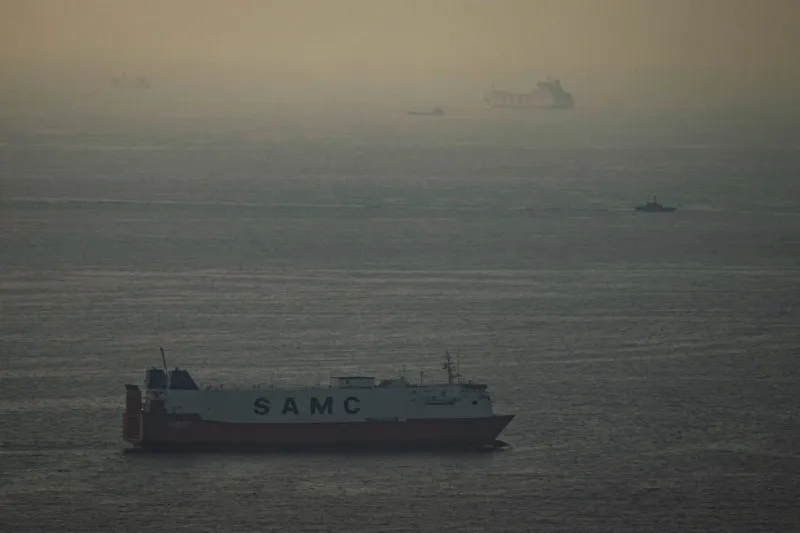
WASHINGTON (AP) — The global economy is experiencing a disorienting flashback to the 1970s, with oil prices surging in the wake of conflict in the Middle East. However, structural changes over the past five decades have made economies significantly less vulnerable to such shocks.
In the 1970s, oil shocks triggered severe stagflation—a combination of high inflation and stagnant growth. Today, economies are less energy-intensive. According to the International Energy Agency (IEA), the amount of oil needed to generate one unit of global economic output has fallen by more than half since 1970. This decoupling is due to improved energy efficiency, a shift toward services, and the growth of alternative energy sources.
Furthermore, central banks, having learned from the 1970s, now prioritize anchoring inflation expectations. Major economies like the United States and the Eurozone have independent central banks mandated to control inflation, a key difference from the 1970s. While recent price spikes cause inflation, the response is more targeted, though not without economic pain.
Financial markets also provide a buffer. The development of deep futures and derivatives markets allows companies to hedge against price volatility. However, experts warn that prolonged geopolitical instability could still test this modern resilience, particularly in emerging economies that remain more dependent on imported oil.