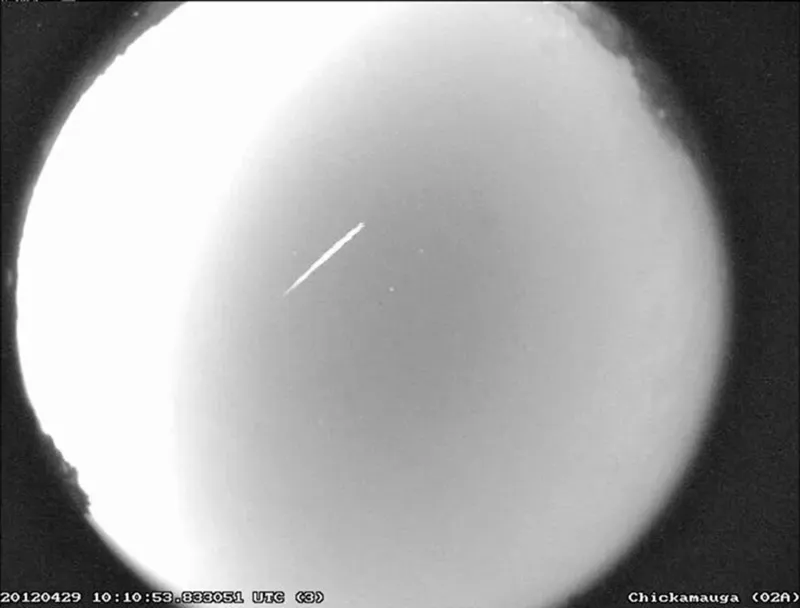
The Eta Aquarid meteor shower, caused by debris from Halley's Comet, is set to peak on the night of May 5-6, 2026. However, skywatchers may face challenges due to a bright waning gibbous moon, which will be about 85% illuminated, according to NASA and astronomy sources.
The shower is known for producing fast meteors, often leaving persistent trains. Under ideal dark-sky conditions, observers in the Southern Hemisphere can see up to 60 meteors per hour, while those in the Northern Hemisphere may see 10-30 per hour. The moon's glare will likely reduce visible meteors significantly.
Best viewing times are in the pre-dawn hours, after the moon sets or is low on the horizon. The radiant point is near the constellation Aquarius. No special equipment is needed, but a dark location away from city lights is recommended.
Halley's Comet, which last passed through the inner solar system in 1986, leaves two meteor showers: the Eta Aquarids in May and the Orionids in October. The comet's next return is expected in 2061.