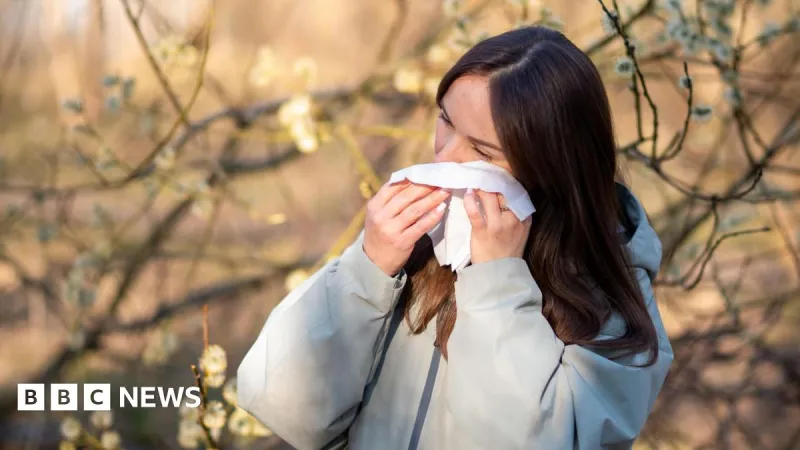
A comprehensive scientific review has confirmed that climate change is significantly lengthening pollen seasons, exacerbating allergy symptoms for millions. The analysis, involving numerous international studies, found that on average, pollen seasons now start earlier, end later, and contain higher concentrations of pollen compared to several decades ago.
Research indicates the pollen season has been extended by up to 20 days in some regions, with the most pronounced effects seen in North America and Europe. This increase is directly linked to rising temperatures and higher atmospheric carbon dioxide levels, which promote plant growth and pollen production.
The prolonged and intensified exposure is leading to more severe and longer-lasting hay fever symptoms for sufferers. Public health experts warn this trend contributes to increased medical visits, medication use, and reduced quality of life during allergy seasons.
Scientists emphasize that these findings underscore a direct and growing impact of climate change on human health. They call for integrated strategies that address both climate mitigation and improved allergy management and forecasting for vulnerable populations.