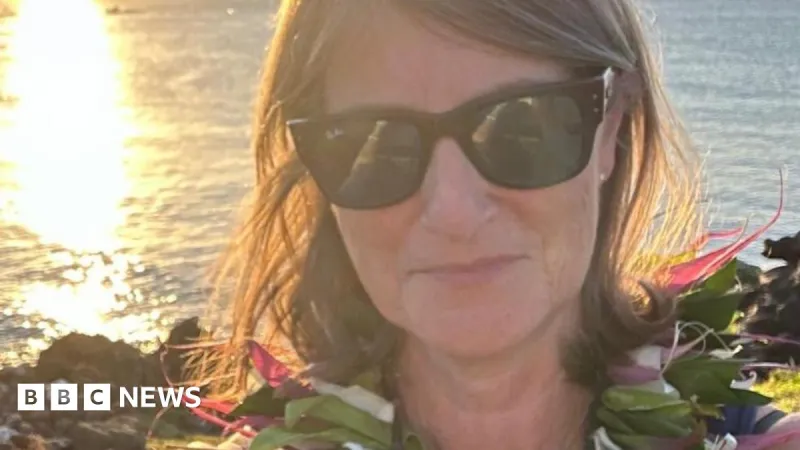
Suzanne Harper, a breast cancer campaigner, protested outside Downing Street on Tuesday, April 22, 2026, calling for improved screening for invasive lobular carcinoma (ILC), a form of breast cancer that is often missed on mammograms. Harper, who was diagnosed with ILC a decade ago after noticing puckering on her breast, said she fears for her daughters due to the hereditary risks and current screening limitations.
Invasive lobular carcinoma accounts for approximately 10-15% of all breast cancers and grows in a diffuse pattern, making it harder to detect on standard mammography. Harper joined the protest organized by the charity Lobular Breast Cancer UK, which is urging the government to fund research into better detection methods, including the use of MRI and ultrasound for high-risk patients.
Campaigners presented a petition to Number 10, demanding that the UK's National Health Service (NHS) update its screening guidelines to specifically address ILC. They argue that early detection is critical, as ILC is often diagnosed at a later stage than other breast cancers. Harper stated she considers herself "lucky" to have spotted the changes in her breast, a sentiment driving her advocacy.
The Department of Health and Social Care has acknowledged the campaign, stating that the UK National Screening Committee keeps all screening programs under review. However, no immediate changes to national breast screening protocols have been announced.