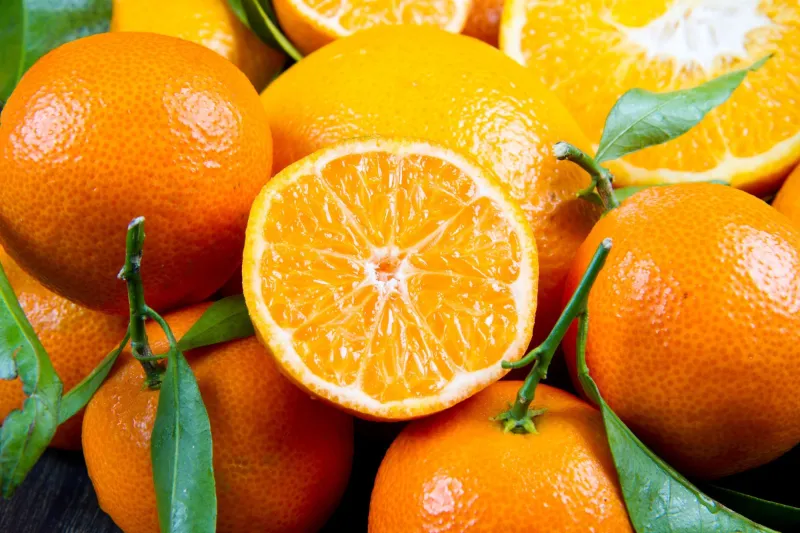
Early-stage scientific research indicates that nobiletin, a bioactive compound found in the peel of oranges and other citrus fruits, may have beneficial effects on metabolic health, including non-alcoholic fatty liver disease (NAFLD). A 2020 study published in the Journal of Lipid Research by researchers at the University of Western Ontario found that nobiletin reduced liver fat and reversed atherosclerosis in mouse models of metabolic syndrome.
The compound appears to work by improving the body's sensitivity to insulin and enhancing the metabolism of fats. However, experts emphasize that these findings are from preclinical animal studies. The concentration of nobiletin in the edible fruit flesh is much lower than in the peel used in research extracts.
Human clinical trials are necessary to confirm these effects and determine safe, effective dosages. Medical professionals advise that no single food is a cure for NAFLD, which is managed through overall diet, weight loss, and exercise. Consuming whole oranges provides fiber and vitamin C but should be part of a balanced dietary pattern.