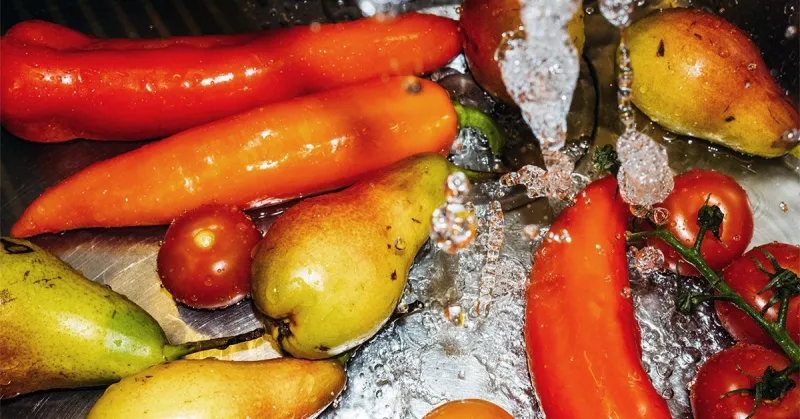
A recent study has investigated the paradoxical link between a healthy diet and lung cancer risk in young adults who have never smoked. The research, which analyzed data from over 2,300 participants, found that individuals under 50 who consumed higher quantities of fruits, vegetables, and whole grains had a slightly elevated risk of developing lung adenocarcinoma compared to the general population.
The study's authors, whose work was published in the Journal of the National Cancer Institute, hypothesize that pesticide residues on these foods could be a contributing factor. They note that certain pesticides have been classified as probable human carcinogens by agencies like the International Agency for Research on Cancer (IARC). The researchers emphasize that their findings are observational and do not prove causation, calling for further investigation into specific agricultural chemicals.
Health experts not involved in the study stress that the benefits of a diet rich in fruits and vegetables for overall health and cancer prevention are well-established and should not be discounted. They recommend washing produce thoroughly and, when possible, choosing organic options for items known to have higher pesticide residues to mitigate potential risks while maintaining nutritional benefits.