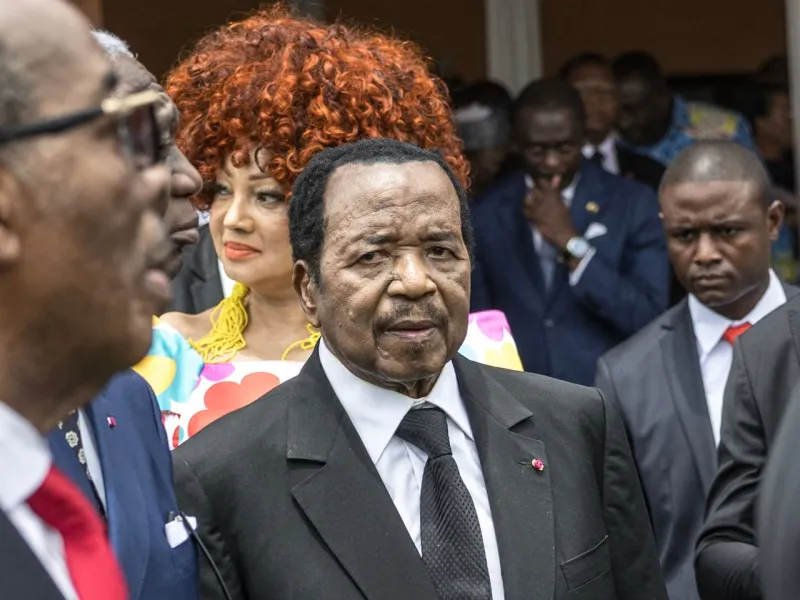
Cameroon has been without a vice president since the position was abolished in a 2019 constitutional reform, leaving a power vacuum that has intensified speculation about President Paul Biya's eventual successor. Biya, 93, has ruled the country since 1982, and the absence of a designated deputy has raised questions about political stability and succession planning.
The 2019 constitutional amendment replaced the vice presidency with a new position of Vice Prime Minister, but no single official has been clearly positioned as the heir apparent. Several prominent figures are considered potential successors, including Prime Minister Joseph Dion Ngute, Senate President Marcel Niat Njifenji, and influential members of the ruling Cameroon People's Democratic Movement (CPDM).
Political analysts note that the lack of a clear succession mechanism could lead to uncertainty if Biya's health declines. The president has not publicly endorsed any candidate, and the CPDM has not held a congress to select a potential successor. This has fueled debates among opposition parties and civil society about the need for a transparent transition process.
As of May 2026, no official announcement has been made regarding the vice presidency or succession plans. The situation remains a key topic in Cameroonian politics, with observers watching for any signals from Biya or the ruling party.