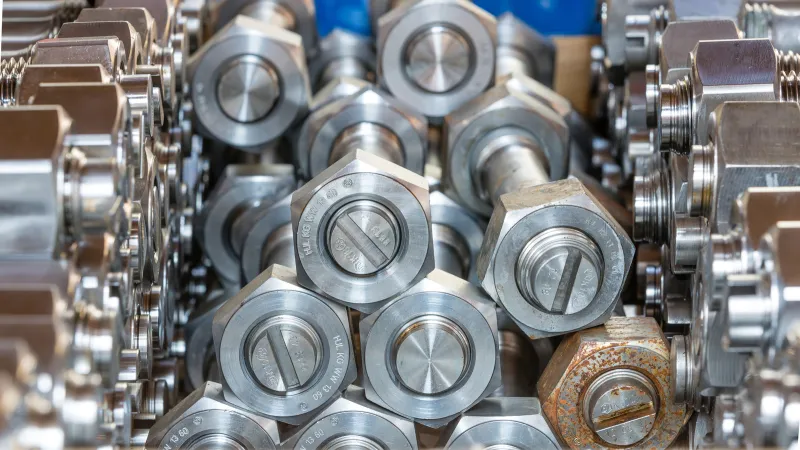
When performing car repairs, selecting the correct bolt grade is essential for safety. While it might seem logical to always choose the strongest available bolt, experts warn that using a grade that is too high can be dangerous. Bolts are designed with specific tensile strengths and ductility properties; for example, a Grade 8 bolt (SAE J429) has a minimum tensile strength of 150,000 psi but is more brittle than a Grade 5 bolt (120,000 psi). In applications where some flexibility is needed, such as suspension components, a Grade 8 bolt may snap under shock loads rather than stretch.
Automotive engineers specify bolt grades based on the forces and environment each fastener will encounter. Using a bolt that is too strong can lead to stress risers in mating parts or cause the bolt to fail in a brittle manner without warning. Conversely, using a bolt that is too weak can result in stretching or shearing. The key is to match the bolt grade to the original equipment manufacturer (OEM) specifications, which are determined through rigorous testing.
For critical safety systems like brakes, steering, and suspension, always replace bolts with the exact grade and size specified in the vehicle's service manual. Aftermarket bolts of unknown origin or incorrect grade can compromise the integrity of the repair. Additionally, proper torque is crucial: over-torquing a high-grade bolt can strip threads or cause hidden damage, while under-torquing may allow the joint to loosen.
In summary, the strongest bolt is not always the best choice. Safety in car repair depends on using the right bolt for the right job, following manufacturer guidelines, and ensuring proper installation techniques. When in doubt, consult a professional mechanic or refer to the vehicle's official documentation.