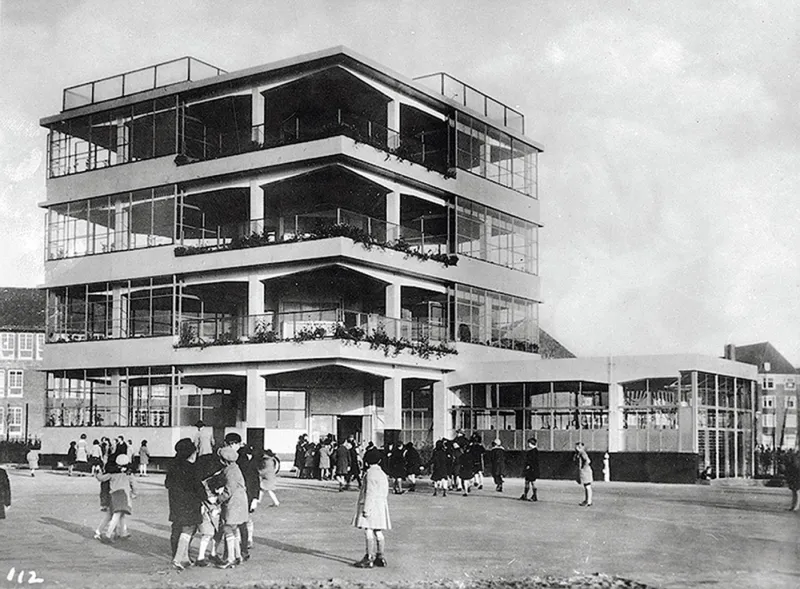
Beatriz Colomina and Mark Wigley, prominent architectural historians and theorists, have introduced the concept of 'biotic architecture' in their recent work. This approach reimagines buildings not as inert objects but as living, breathing entities that interact with their environment and inhabitants.
The term 'biotic architecture' draws from biological principles, suggesting that structures should be designed to adapt, grow, and respond to changes, much like organisms. Colomina and Wigley argue that this perspective challenges the conventional separation between architecture and nature, advocating for a more integrated and dynamic relationship.
Their research, presented in various publications and lectures, emphasizes the need to reconsider the materials, systems, and processes used in construction. By incorporating elements such as responsive facades, living materials, and energy-efficient systems, biotic architecture aims to create buildings that are not only sustainable but also actively contribute to the well-being of their occupants and the surrounding ecosystem.
While the concept is still evolving, it has sparked discussions among architects, designers, and environmentalists about the future of building design. Colomina and Wigley's work highlights the potential for architecture to move beyond static forms and embrace a more fluid, life-like existence.