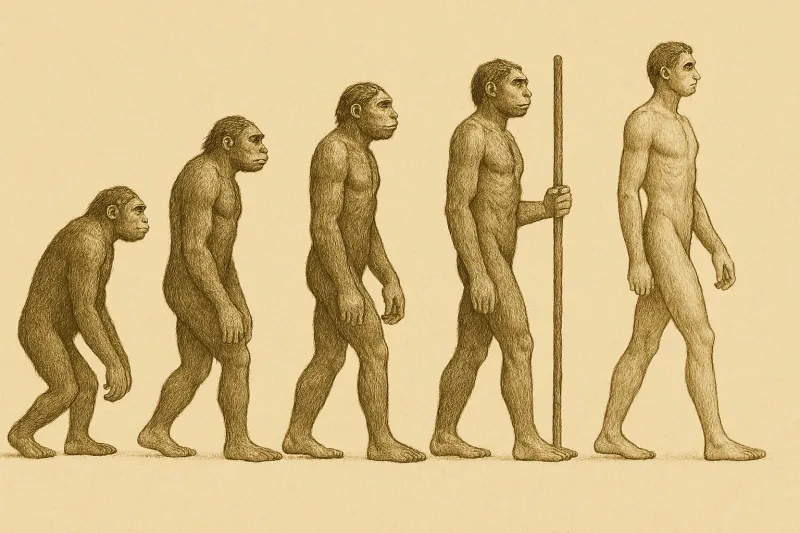
A long-held theory that modern humans emerged suddenly around 50,000 years ago is facing increasing scrutiny. Recent studies, including analysis of ancient DNA and archaeological sites, indicate that the transition from archaic to modern humans was more gradual and complex than previously thought.
Researchers have found evidence of behavioral and cognitive developments occurring over tens of thousands of years, rather than a single rapid event. For example, the appearance of symbolic artifacts, such as beads and cave art, appears at different times across Africa and Eurasia, suggesting a mosaic pattern of change.
This challenges the 'human revolution' model, which posited a sudden cognitive leap. Instead, scientists now propose that modern human traits accumulated slowly, influenced by population growth, social networks, and environmental pressures.
The findings have implications for understanding human evolution and the dispersal of Homo sapiens out of Africa. Ongoing excavations and genetic studies continue to refine the timeline of our species' development.