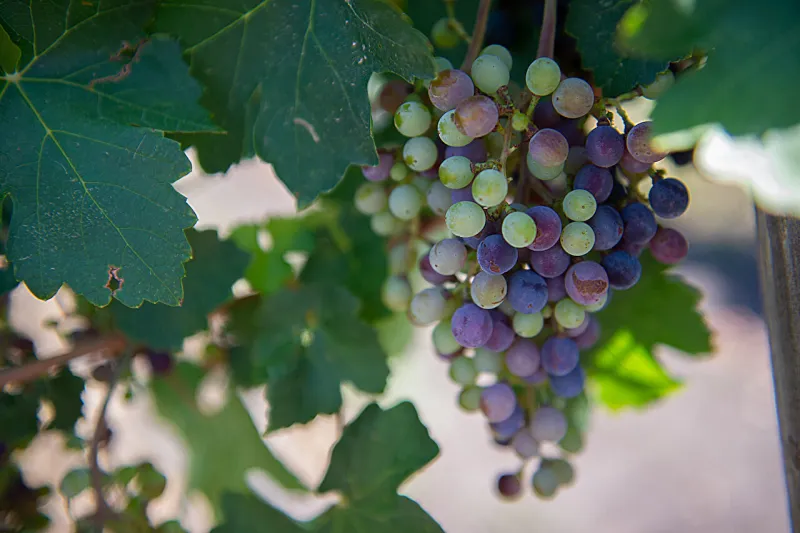
Researchers from Texas A&M AgriLife have sent hundreds of wine grape seeds to the International Space Station (ISS) as part of a study on the effects of cosmic radiation. The seeds, from Texas grape varieties, will spend approximately six months in space before returning to Earth for planting and analysis.
The project aims to understand how space conditions affect seed genetics and plant growth, potentially leading to more resilient grapevines for Texas vineyards. The seeds were launched aboard a SpaceX resupply mission to the ISS in early June 2026.
Upon return, the seeds will be germinated and studied at Texas A&M AgriLife research facilities. Scientists will compare their growth, genetic mutations, and stress responses to control seeds kept on Earth.