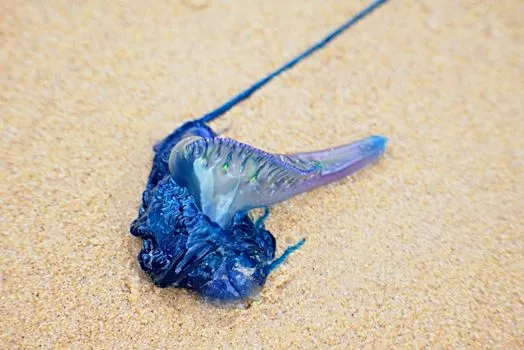
Beached jellyfish are a frequent occurrence on coastlines globally, often surprising beachgoers. According to marine biologists, most jellyfish that wash ashore are already dead or dying, and their stinging cells are typically inactive after a short period out of water. The National Oceanic and Atmospheric Administration (NOAA) notes that while some species like the Portuguese man o' war can still sting when beached, the majority of common jellyfish, such as moon jellyfish, pose no threat to humans.
Experts advise against touching any beached jellyfish, as a few species may retain some stinging capability. However, the risk is minimal, and jellyfish strandings are a natural part of marine ecosystems, often driven by currents, winds, or seasonal blooms. A 2023 study in the journal Marine Biology found that jellyfish blooms are increasing in some regions due to warming oceans, but strandings remain a normal phenomenon.
For beachgoers, the best practice is to observe jellyfish from a distance and avoid handling them. If stung, rinsing with vinegar or seawater (not freshwater) can help neutralize toxins, according to the American Red Cross. Overall, beached jellyfish are a harmless curiosity that highlights the dynamic life of our oceans.