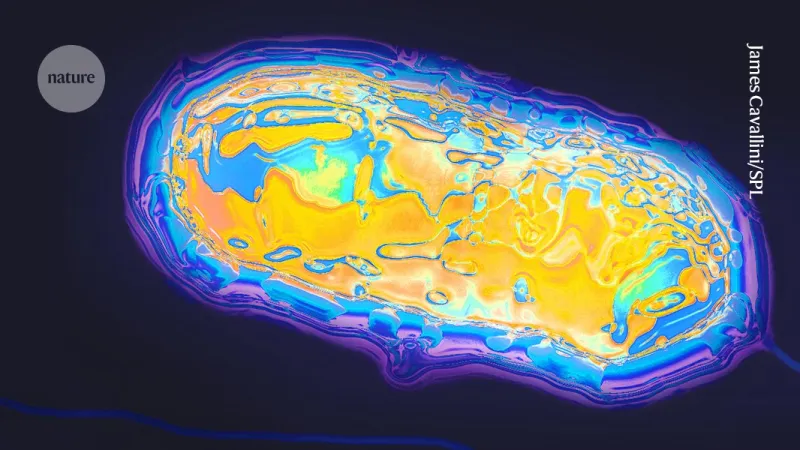
All life on Earth relies on 20 standard amino acids to build proteins, a universal molecular alphabet. However, researchers have now engineered bacteria to operate a key part of their cellular machinery using only 19 of these amino acids, according to a study published in Nature on April 30, 2026.
The team, led by scientists at the University of Cambridge, modified the genetic code of Escherichia coli bacteria to eliminate the need for the amino acid cysteine in the ribosome, the cellular complex that synthesizes proteins. The ribosome normally requires all 20 amino acids to function, but the engineered version worked efficiently without cysteine.
This breakthrough challenges the long-held assumption that all 20 amino acids are essential for basic cellular processes. The researchers demonstrated that the modified bacteria could grow and divide, albeit at a slower rate, showing that life can adapt to a reduced amino acid set.
The findings have potential implications for synthetic biology, including the creation of organisms with expanded or altered genetic codes. The study also raises questions about the evolution of the genetic code and whether early life might have used fewer amino acids.
Further research is needed to explore whether other cellular processes can be similarly simplified and to assess the long-term stability of such engineered organisms.