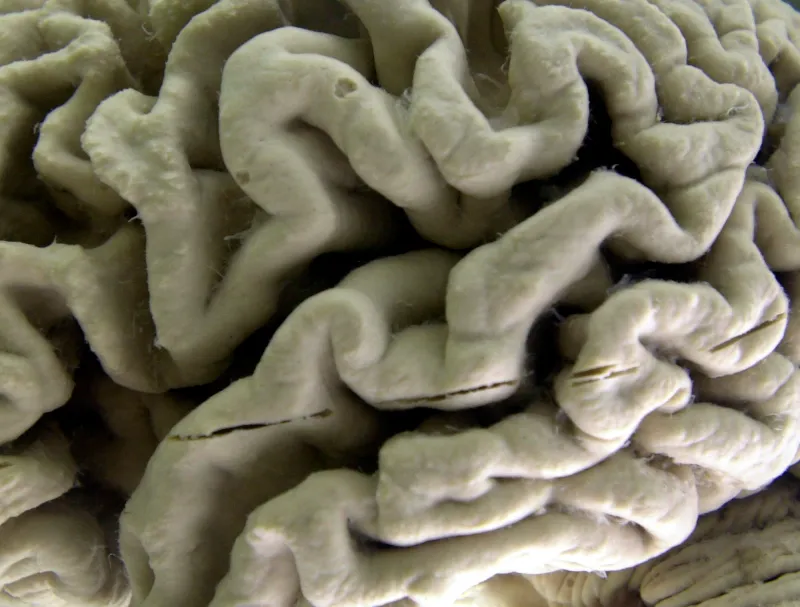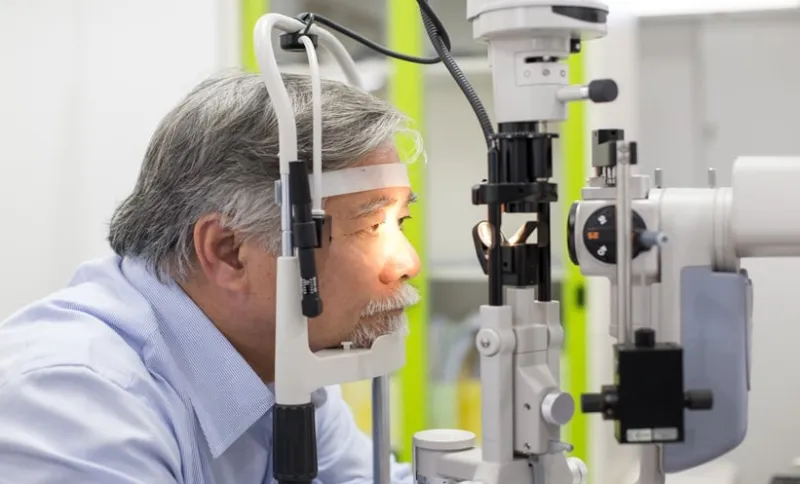
A study published in 2025 in the journal Ophthalmology Science evaluated the use of artificial intelligence (AI) to analyze retinal images for detecting Alzheimer's disease. The research, conducted by scientists at the University of California, San Francisco (UCSF) and other institutions, suggests that AI retinal imaging could serve as a non-invasive, low-cost screening tool in primary care settings.
The study analyzed data from over 1,000 participants and found that the AI model could identify individuals with Alzheimer's disease with an accuracy of about 80%. The technology works by detecting subtle changes in the retina, such as thinning of the retinal nerve fiber layer and changes in blood vessel patterns, which are associated with Alzheimer's pathology.
Dr. Yvonne Ou, a co-author of the study and professor of ophthalmology at UCSF, stated: 'This approach could help identify patients who might benefit from further cognitive evaluation and specialist referral, especially in settings where access to neurologists is limited.' The researchers emphasized that the AI tool is not a diagnostic test but a screening aid to flag at-risk individuals.
As of May 2026, the AI retinal imaging system is not yet approved for clinical use by the U.S. Food and Drug Administration (FDA). Further validation studies in diverse populations are needed before it can be widely implemented. The research was funded by the National Institutes of Health (NIH) and the Alzheimer's Association.