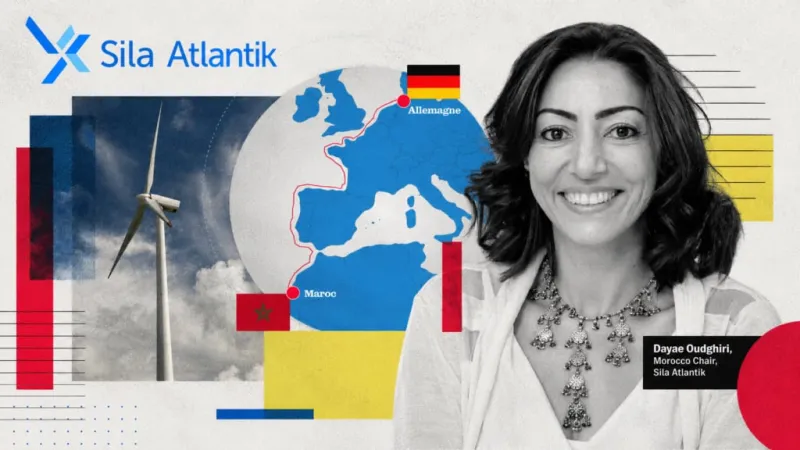
Sila Atlantik, the company behind the Xlinks project, aims to build a 3,800-kilometer subsea cable to transmit renewable energy from Morocco to the United Kingdom. The project, which would involve 15 GW of solar and wind capacity in Morocco's desert, is promoted as a way to provide clean, baseload power to Britain. However, the plan faces significant hurdles in Germany, where regulatory and technical issues have slowed progress.
According to industry sources, the German 'verrou' (lock) refers to the need for approval from the German grid operator and the European Network of Transmission System Operators for Electricity (ENTSO-E). The cable would pass through German waters, and Germany has raised concerns about grid stability and the integration of such a large, intermittent source of power. No final decision has been made as of June 2026.
Morocco's government has supported the project as part of its ambition to become a major renewable energy exporter. The country already has one of the world's largest solar farms, Noor Ouarzazate, and plans to increase its renewable capacity to 52% by 2030. However, the Xlinks project's success depends on resolving the German regulatory impasse.
Environmental groups have also raised questions about the impact of the cable on marine ecosystems and the use of desert land for solar panels. Sila Atlantik has stated it will conduct thorough environmental assessments, but no results have been published yet.