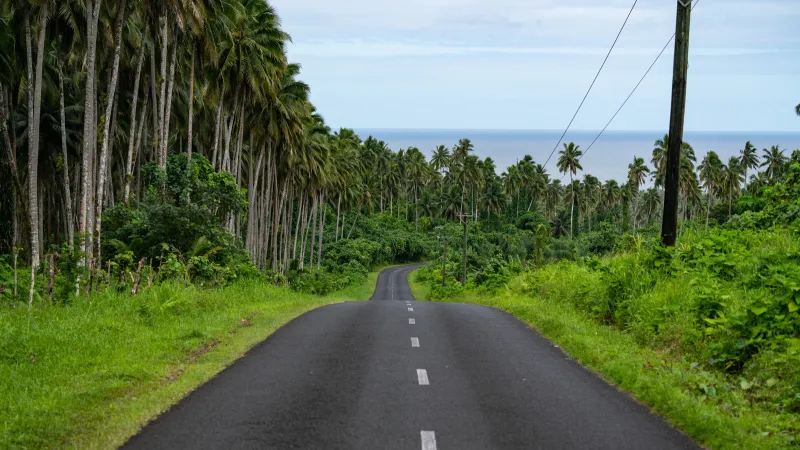
On September 7, 2009, Samoa made a historic switch from driving on the right side of the road to driving on the left. The change was driven by economic necessity: the country wanted to access cheaper used cars imported from Australia, New Zealand, and Japan, all of which drive on the left.
Before the switch, Samoans drove on the right but imported many right-hand-drive vehicles from left-hand-driving countries. These cars were often cheaper than left-hand-drive models, but they posed safety risks and were less practical. By aligning with left-hand traffic, Samoa could legally and safely import a wider range of affordable vehicles.
The transition was carefully planned. A two-day public holiday was declared to allow people to adjust, and the government launched an awareness campaign. Despite initial concerns, the switch was largely successful, with only a few minor accidents reported during the transition period.
Today, Samoa remains one of the few countries that changed its driving side in recent decades. The decision is often cited as a pragmatic example of how small nations adapt to global economic realities.