The debate over birthright citizenship in the United States has reached a critical juncture in 2026. President Donald Trump signed an executive order on his first day back in office in January 2025 seeking to end automatic citizenship for children born on U.S. soil to parents who are in the country illegally or on temporary visas — a right long guaranteed by the 14th Amendment to the Constitution.
Federal courts moved swiftly to block the order. Multiple federal judges issued injunctions halting its implementation, with judges across several districts ruling that the executive order was unconstitutional on its face. The 14th Amendment, ratified in 1868, states that all persons born or naturalized in the United States and subject to its jurisdiction are citizens — language that courts have historically interpreted to include virtually all children born on U.S. soil, regardless of their parents' immigration status.
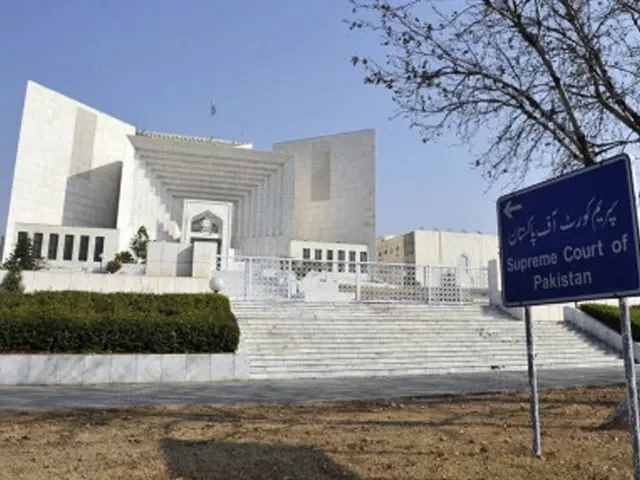
The legal battle escalated to the Supreme Court, which heard arguments in May 2025 on the narrow question of whether nationwide injunctions blocking the order were appropriate — not yet ruling on the constitutionality of the order itself. The cases continued to work through the federal court system into 2026, creating prolonged uncertainty for immigrant families. Advocacy groups warn that if the order were ever allowed to take effect, it could render thousands of newborns stateless or without clear legal status.
Critics of the executive order, including constitutional scholars and immigration advocates, argue that ending birthright citizenship would require a constitutional amendment, not a presidential decree. Supporters of the policy contend that the 14th Amendment was never intended to apply to children of undocumented immigrants. The United States is one of roughly 30 countries — mostly in the Americas — that still practice unconditional birthright citizenship, known as jus soli.
As of April 2026, no child has been officially denied citizenship under the order due to the ongoing court injunctions, but legal experts warn the prolonged uncertainty is already affecting families, hospitals, and local governments unsure how to proceed if the injunctions are eventually lifted.