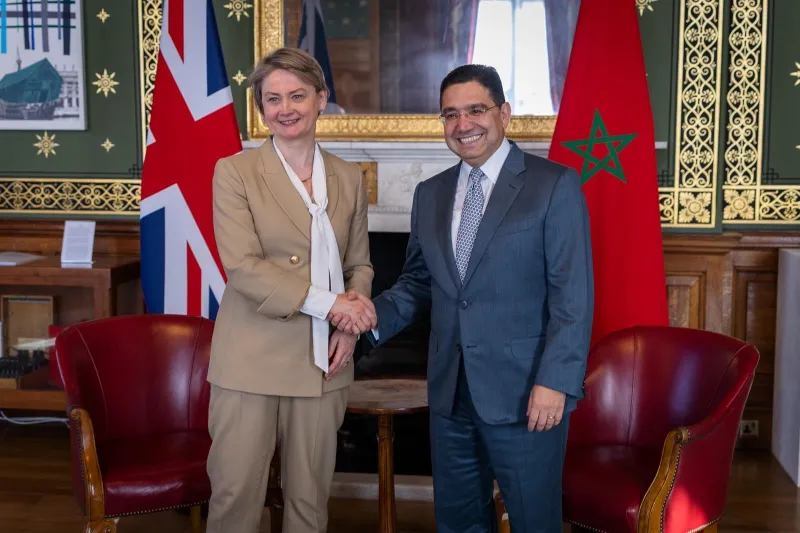
On April 24, 2026, the United Kingdom officially recognized Morocco's autonomy plan for Western Sahara as 'the most credible, viable, and pragmatic basis for peace' in the region. This statement was made by a UK Foreign Office spokesperson during a press briefing in London.
The British position aligns with a growing international consensus supporting Morocco's 2007 autonomy proposal, which would grant the territory self-governance under Moroccan sovereignty. The UK joins other nations, including the United States, France, and Spain, in backing this framework as a realistic solution to the decades-long dispute.
Morocco's autonomy plan, submitted to the United Nations in 2007, proposes a devolved government for Western Sahara with legislative, executive, and judicial powers, while leaving defense and foreign policy to Rabat. The plan has been endorsed by the UN Security Council as a serious and credible effort to end the conflict.
The Polisario Front, which seeks full independence for Western Sahara, has rejected the autonomy proposal. The dispute remains a key source of tension in North Africa, with the UN continuing to facilitate negotiations between the parties.