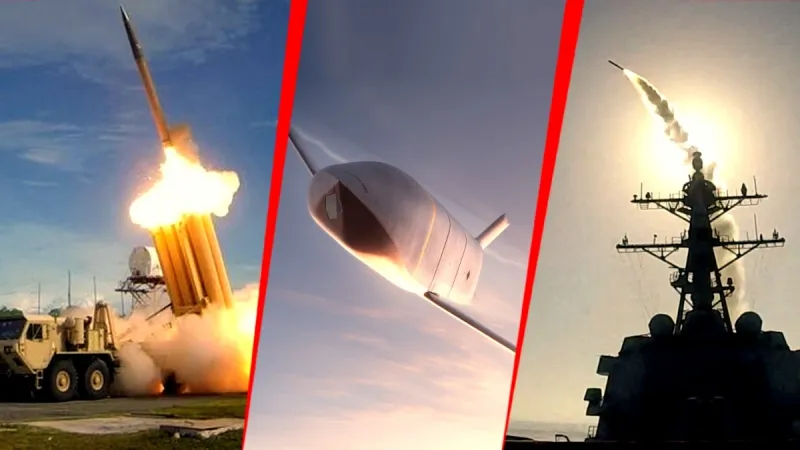
According to internal Pentagon assessments reviewed by multiple news outlets, the U.S. military campaign in Iran has led to a rapid depletion of critical high-end munitions, including precision-guided missiles and bombs. The scale and intensity of operations have strained stockpiles that were already reduced by previous conflicts in the Middle East and support to Ukraine.
Defense officials, speaking on condition of anonymity, confirmed that the rate of expenditure on certain munitions, such as Tomahawk cruise missiles and Joint Direct Attack Munitions (JDAMs), has exceeded resupply capabilities. A Pentagon report from March 2026 warned that sustained operations could leave the U.S. vulnerable in other theaters, particularly in the Indo-Pacific.
The campaign, initiated under President Donald Trump in early 2026, has involved airstrikes against Iranian nuclear and military facilities. The U.S. has also deployed additional naval assets to the Persian Gulf. However, the cost of operations, estimated at over $1 billion per month, has raised concerns among lawmakers about long-term sustainability.
Experts note that the U.S. defense industrial base has struggled to ramp up production due to supply chain issues and labor shortages. The Pentagon has requested emergency funding from Congress to replenish stockpiles, but negotiations remain ongoing as of April 2026.