As of late May 2026, Turkey's position in the ongoing Iran conflict remains ambiguous, with analysts debating whether Ankara is acting as a neutral mediator or seeking strategic advantages. The situation has shifted regional dynamics, particularly affecting NATO and European powers that have largely stayed out of direct involvement.
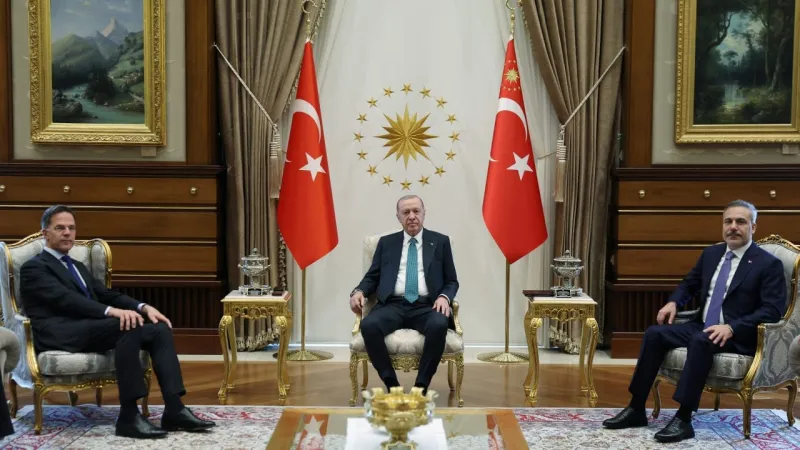
Turkey, a NATO member, has maintained diplomatic channels with both Iran and Western allies, but its recent actions, including hosting talks and offering mediation, have led to speculation about its true intentions. Some experts suggest Ankara is leveraging the crisis to enhance its regional influence and economic ties, especially in energy and trade.
There is no confirmed evidence that Turkey is directly benefiting from the war, but its balancing act between Russia, Iran, and the West has drawn attention. The Turkish government has not officially declared support for either side, emphasizing a desire for de-escalation.
This cautious approach mirrors that of many European NATO members, who have avoided direct military engagement while imposing sanctions on Iran. However, Turkey's unique geographic and political position makes its role particularly significant in shaping the post-conflict Middle East order.