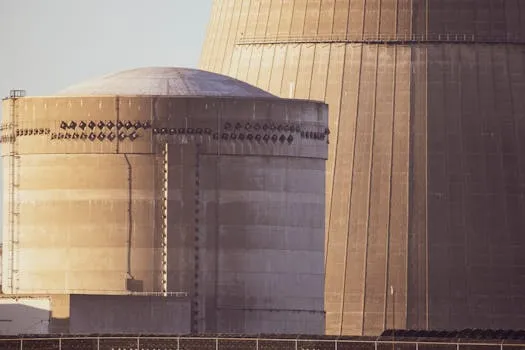
Tunisia is increasingly looking at nuclear energy as a potential solution to its growing energy deficit. The country, which imports most of its energy, has seen rising electricity demand and frequent power cuts. According to the Tunisian Ministry of Industry and Energy, a feasibility study for a nuclear power plant was launched in 2024, with preliminary results expected by late 2026.
The project, however, faces significant challenges. Technical experts highlight the need for a robust regulatory framework, substantial investment (estimated at several billion dollars), and public acceptance. Tunisia has a small nuclear research reactor at the National Center for Nuclear Sciences and Technologies (CNSTN) in Sidi Thabet, but no commercial nuclear power plants.
International partners, including France and Russia, have expressed interest in supporting Tunisia's nuclear ambitions. The International Atomic Energy Agency (IAEA) has provided technical assistance for infrastructure development. Yet, no concrete timeline or funding has been secured for a full-scale plant.
Environmental groups have raised concerns about safety, waste management, and the high cost of nuclear power compared to renewable alternatives like solar and wind. Tunisia has abundant solar resources and has invested in solar parks, but these have not kept pace with demand.
As of May 2026, the Tunisian government has not made a final decision on nuclear power. The debate remains open, with proponents arguing for energy independence and critics pointing to economic and environmental risks.