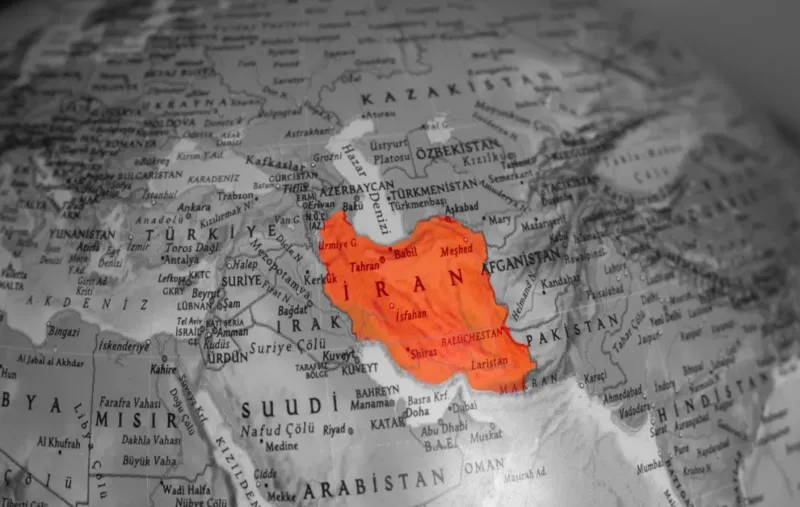
As of May 20, 2026, the Middle East remains a region of heightened nuclear tensions, primarily driven by Iran's nuclear program and Israel's undeclared nuclear arsenal. According to the International Atomic Energy Agency (IAEA), Iran continues to enrich uranium at levels up to 60%, though no verified evidence of weaponization exists as of this date. Israel, widely believed to possess nuclear weapons, maintains a policy of deliberate ambiguity, neither confirming nor denying its capabilities.
Recent reports from the Stockholm International Peace Research Institute (SIPRI) indicate that no new nuclear weapons have been tested or deployed in the region since 2025. However, concerns persist over potential proliferation, especially following the collapse of the 2015 Iran nuclear deal (JCPOA) in 2018. Diplomatic efforts, including talks in Vienna in early 2026, have failed to produce a new agreement.
Other regional actors, such as Saudi Arabia and the United Arab Emirates, have expressed interest in civilian nuclear energy, raising fears of a future arms race. The IAEA has called for a Middle East nuclear-weapon-free zone, but progress remains stalled due to political disagreements. No verified incidents of nuclear material trafficking or covert facilities have been reported in 2026.