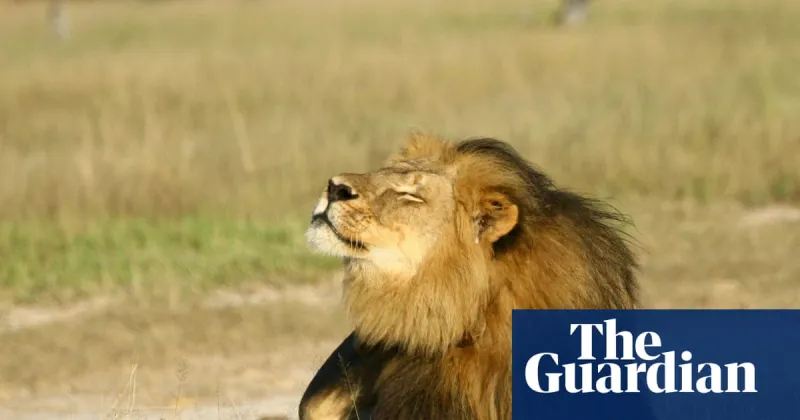
The practice of trophy hunting in Africa continues to generate intense global debate. Proponents, including some conservationists and local communities, argue that the high fees paid by international hunters provide critical revenue for wildlife management, anti-poaching patrols, and community development. They contend this economic value incentivizes the preservation of large tracts of habitat and species that might otherwise be lost to agriculture or poaching.
Critics, however, challenge the ethics and sustainability of killing animals for sport, particularly endangered or vulnerable species. Organizations like the Humane Society International argue that the conservation benefits are often overstated and that the practice can disrupt animal social structures and have negative ecological impacts. The debate often centers on whether the economic model is effective and if alternative funding, such as photographic tourism, could be more beneficial and ethical.
Specific reserves, such as the Niassa Special Reserve in Mozambique, have been cited in past reports as areas where regulated hunting concessions were used as a conservation strategy. The legal international trade in hunting trophies is governed by the Convention on International Trade in Endangered Species (CITES), which sets quotas for certain species based on scientific assessments of population sustainability.