In Bamako, Mali, traditional medicine continues to play a significant role in healthcare, particularly for residents seeking affordable treatment. According to a 2023 report by the World Health Organization (WHO), up to 80% of Africa's population relies on traditional medicine for primary healthcare. In Mali, this practice is deeply rooted, with local healers using a variety of plants from the region's diverse flora.
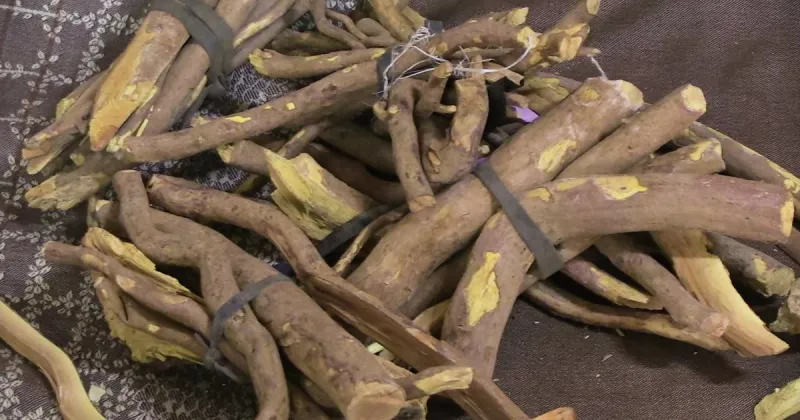
Common treatments include decoctions made from leaves, bark, and roots to address ailments such as malaria, digestive issues, and respiratory infections. For example, Artemisia annua, a plant used in traditional Malian medicine, has been studied for its antimalarial properties. A 2024 study published in the Journal of Ethnopharmacology confirmed that certain local preparations show efficacy against malaria parasites, though researchers caution that standardized dosages are needed.
Economic factors drive the popularity of these remedies. A 2025 survey by the Malian Ministry of Health found that 65% of respondents in Bamako's informal settlements use traditional medicine because it is cheaper than conventional pharmaceuticals. A typical consultation with a traditional healer costs between 500 and 2,000 CFA francs (about $0.80 to $3.20), compared to 5,000 CFA francs or more for a doctor's visit.
However, challenges remain. The WHO notes that lack of regulation and quality control can lead to inconsistent potency or contamination. In 2024, Mali's government launched a pilot program to register traditional healers and test their remedies, aiming to integrate safe practices into the national health system. The program covers 200 healers in Bamako and surrounding regions.
Despite these efforts, traditional medicine remains a vital safety net. As one local healer, Amadou Diallo, told Le Monde in 2025: 'Our knowledge is passed down through generations. We treat the whole person, not just the disease.' This holistic approach, combined with affordability, ensures that traditional medicine will likely remain a cornerstone of healthcare in Bamako for years to come.