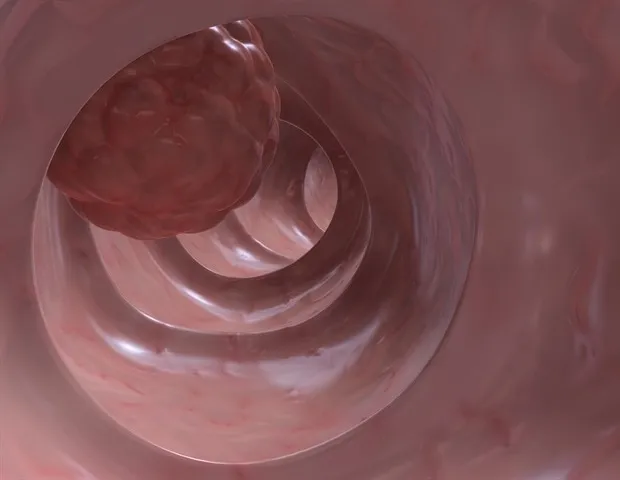
A study from the University of Calgary, published in Cell Reports Medicine on June 17, 2026, shows that deleting a single gene, SMARCB1, makes colon cancer cells susceptible to immunotherapy. The research was led by Dr. Arshad Ayyaz, PhD, a cancer researcher at the Cumming School of Medicine.
The team found that colon cancer cells often hide from the immune system by mimicking normal tissue. Deleting SMARCB1 disrupts this camouflage, exposing the cancer cells to immune attack. In mouse models, this gene deletion combined with immunotherapy led to significant tumor shrinkage.
Dr. Ayyaz stated, 'This is a fundamental breakthrough that could change how we treat colon cancer.' The study was funded by the Canadian Institutes of Health Research and the Alberta Cancer Foundation.
Colon cancer is the second leading cause of cancer death in Canada, with an estimated 26,000 new cases in 2026. Current immunotherapies work only for a small subset of patients with high microsatellite instability. This discovery could expand treatment options for more patients.
The next step is to develop drugs that can temporarily block SMARCB1 function in humans, potentially making this approach available in clinical trials within five years.