A study led by a majority-Inuit and First Nations research team, conducted in partnership with the Nunavik Regional Board of Health and Social Services, has shed light on the significant hardships faced by Inuit communities in northern Quebec due to under-resourced tuberculosis (TB) care. The research highlights how inadequate support systems force patients and families to bear heavy social, emotional, and financial burdens when navigating TB treatment.
Tuberculosis remains a serious and disproportionate public health concern in Inuit Nunangat and Nunavik. Indigenous communities in Canada, including Inuit populations, experience TB rates far higher than the national average, a disparity rooted in overcrowded housing, food insecurity, and historical inequities in healthcare access. Patients are frequently required to leave their home communities for treatment in southern urban centres, causing family separation and cultural dislocation.
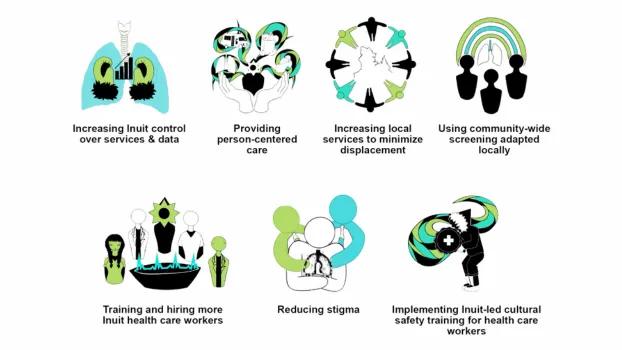
The study, centred on community perspectives and lived experiences, found that the current TB care model places undue strain on patients and their families. Participants described challenges including loss of income during treatment, inadequate culturally safe care, and insufficient support for those displaced from their communities. Researchers emphasized that these systemic gaps must be addressed to improve health outcomes and reduce the ongoing burden of TB in the region.
The research team called for increased investment in community-based TB care, culturally appropriate health services, and improved housing conditions as essential steps toward eliminating tuberculosis in Inuit communities. The study underscores the need for Indigenous-led solutions and meaningful collaboration between health authorities and affected communities to address the root causes of TB vulnerability in the North.