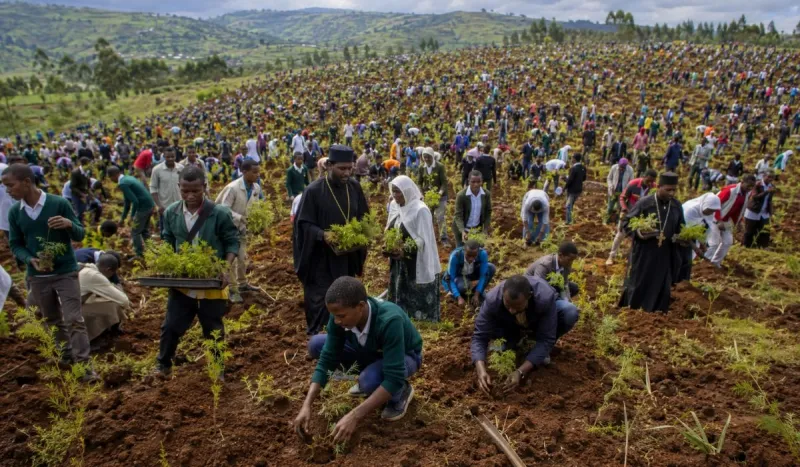
Tanzania's Soil Health Program Collects 90,000 Samples
Tanzania's National Soil Health Testing Programme has collected 90,000 soil samples across 19 regions to improve agricultural productivity.
April 19, 2026
1 min read
68 views
Source: tanzaniainsight.com
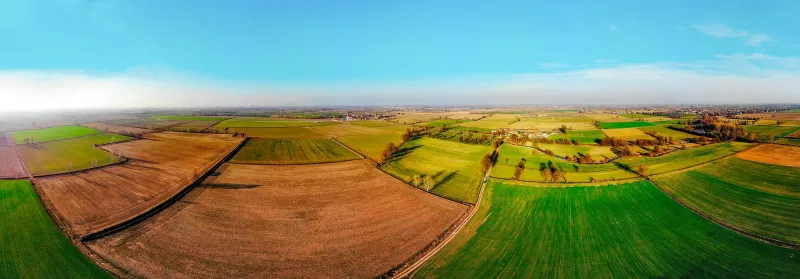
Image: tanzaniainsight.com
Tanzania's National Soil Health Testing Programme has made significant progress, with government officials confirming the collection of 90,000 soil samples. The samples have been gathered from 19 regions across the country as part of a nationwide initiative to map soil fertility and promote sustainable farming practices.
The program, which aims to cover approximately 40,000 hectares, is designed to provide farmers with specific fertilizer recommendations based on their soil's nutrient status. This data-driven approach seeks to enhance agricultural productivity, reduce input costs, and improve food security.
Authorities state that the collected samples are being analyzed in laboratories to create detailed soil health maps. The final goal is to establish a comprehensive digital soil information system that will guide national agricultural policy and individual farmer decisions for years to come.
❓ Frequently Asked Questions
What is Tanzania's National Soil Health Testing Programme?
It is a government initiative to collect and analyze soil samples nationwide to provide farmers with specific fertilizer recommendations and improve agricultural productivity.
How many soil samples have been collected so far?
As reported by officials, the program has collected 90,000 soil samples from 19 regions across Tanzania.
What is the goal of the soil testing program?
The goal is to create a digital soil information system to guide sustainable farming, reduce fertilizer misuse, and enhance long-term food security in the country.