On 21 May 2026, in Dar es Salaam, Tanzania, the United Nations Population Fund (UNFPA) Tanzania, in collaboration with the United Nations Development Programme (UNDP) and the United Nations Entity for Gender Equality and the Empowerment of Women (UN Women), launched an initiative to advance gender-transformative and disability-inclusive care systems. The event highlighted the critical yet often invisible role of unpaid care work, which disproportionately affects women and girls.
The initiative aims to recognize, reduce, and redistribute unpaid care work, which is essential for economic and social development. According to UNFPA, women in Tanzania spend an average of 4.5 hours per day on unpaid care work, compared to 1.5 hours for men. This disparity limits women's opportunities for education, employment, and political participation.
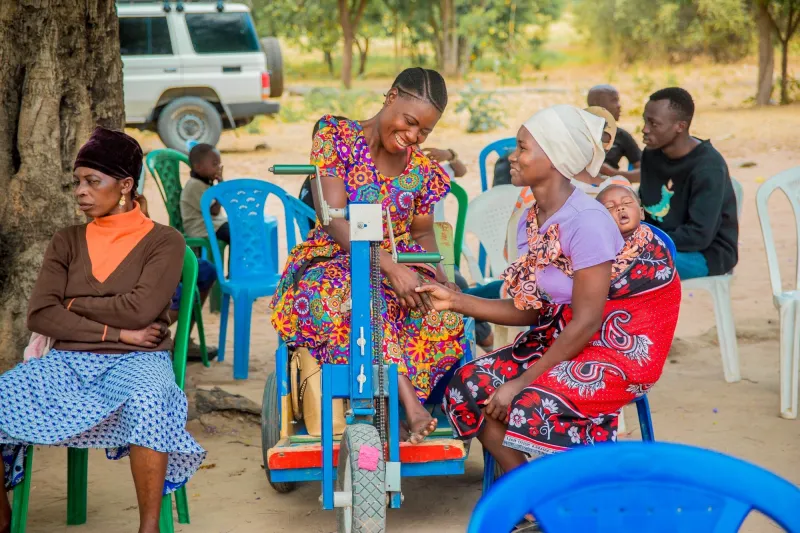
The program includes policy recommendations to integrate care into national development plans, invest in care infrastructure, and promote shared responsibility within households. It also emphasizes the needs of women and girls with disabilities, who face additional barriers in accessing care services and participating in public life.
Representatives from the Tanzanian government, civil society, and international organizations attended the launch. They committed to working together to create a more equitable care system that supports all citizens, including those with disabilities. The initiative aligns with Tanzania's national development goals and the Sustainable Development Goals (SDGs), particularly SDG 5 on gender equality.