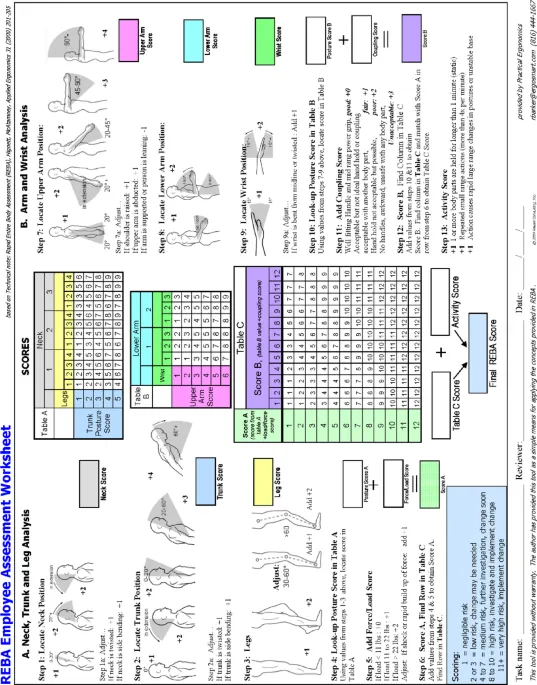
A recent study conducted by researchers at Tabriz University of Medical Sciences in Iran investigated postural risk factors for work-related musculoskeletal disorders during manual versus device-assisted lower-limb stretching. The study was approved by the Ethics Committee of Tabriz University of Medical Sciences (Ref. No. IR.TBZMED.REC.1402.504).
The research compared the ergonomic risks associated with two methods of performing lower-limb stretching exercises: manual stretching, where a therapist or individual applies force by hand, and device-assisted stretching, which uses a mechanical apparatus. The findings indicated that device-assisted stretching significantly reduces postural risk factors, thereby lowering the likelihood of work-related musculoskeletal disorders among practitioners.
Musculoskeletal disorders are a common occupational hazard for physiotherapists, fitness trainers, and others who perform manual stretching regularly. The study's results suggest that incorporating assistive devices could improve workplace safety and reduce injury rates.
The study adds to the growing body of evidence supporting the use of ergonomic tools in clinical and fitness settings. However, the authors noted that further research is needed to generalize the findings across different populations and stretching protocols.