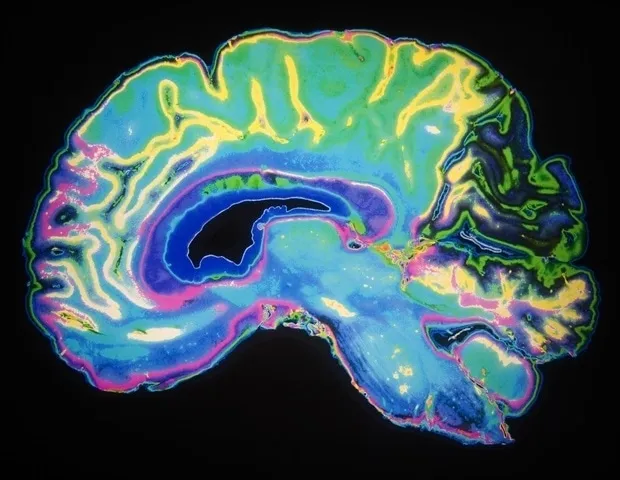
A landmark study published in the journal Science on April 10, 2026, has provided a high-resolution molecular map of the human brain, revealing subtle but widespread differences in gene activity between male and female brains. The research, led by scientists from the Allen Institute for Brain Science and other institutions, analyzed over 2.3 million individual brain cells from six distinct cortical regions in postmortem adult human brains.
The team's single-cell RNA sequencing analysis identified consistent differences in the expression of thousands of genes between the sexes across all six brain regions studied. These differences were not confined to a single cell type but were observed across many different types of neurons and support cells. The findings suggest that sex differences are a pervasive feature of the molecular architecture of the human cerebral cortex.
Researchers emphasize that these molecular differences are subtle on a cell-by-cell basis but become statistically significant when analyzed across the entire population of cells. The study's authors note that understanding these baseline differences is crucial for neuroscience, as it may help explain why the risk, prevalence, and progression of certain psychiatric and neurological disorders—such as autism spectrum disorder, depression, and Alzheimer's disease—differ between men and women.
The creation of this detailed cellular atlas is a foundational resource for the scientific community. It provides a critical reference point for future studies aiming to understand how brain circuits develop, function, and are affected in disease states, potentially leading to more targeted and effective therapeutic approaches.