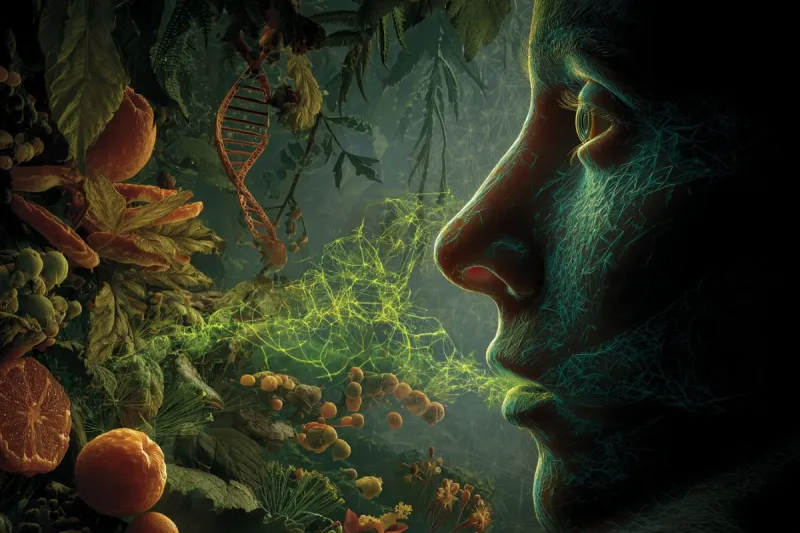
New genetic research is challenging the long-standing scientific dogma that humans have a poor sense of smell compared to other animals. A study published in the journal PLOS Genetics analyzed the olfactory receptor genes of the Indigenous Orang Asli populations in Malaysia, revealing a dynamic evolutionary history for human smell.
The research, led by scientists from institutions including the University of Pennsylvania, found that these populations possess a diverse and functional repertoire of olfactory genes. The study identified specific genetic variations linked to detecting different odors, suggesting that smell has been actively shaped by natural selection in response to environmental and dietary factors throughout human evolution.
This evidence directly counters the common belief, popularized by 19th-century neuroanatomist Paul Broca, that the human sense of smell diminished as brain size and vision improved. Instead, the findings indicate that olfaction remains a crucial and adaptable sensory system. The study of diverse populations like the Orang Asli is key to understanding the full genetic landscape of human traits often studied in less varied groups.