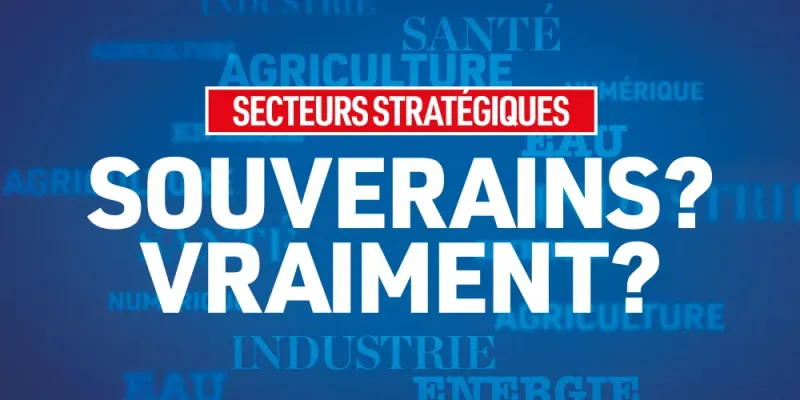
France's push for strategic sovereignty in sectors like energy, defense, and technology has intensified, but questions remain about its effectiveness. As of May 2026, the government has increased investments in domestic nuclear energy and defense manufacturing, aiming to reduce reliance on foreign suppliers.
However, critics argue that these efforts are undermined by continued imports of critical components, such as rare earth minerals from China and advanced semiconductors from Taiwan. A 2025 report by the French Senate highlighted that 70% of rare earths used in French defense systems are sourced from China.
In the energy sector, France's nuclear fleet, which provides about 70% of its electricity, relies on uranium imports from Niger and Kazakhstan, raising concerns about supply chain vulnerabilities. The government has announced plans to develop domestic uranium enrichment capabilities by 2030, but progress has been slow.
Overall, while France has made strides in certain areas, achieving full sovereignty in strategic sectors remains a distant goal, with economic and geopolitical constraints limiting progress.