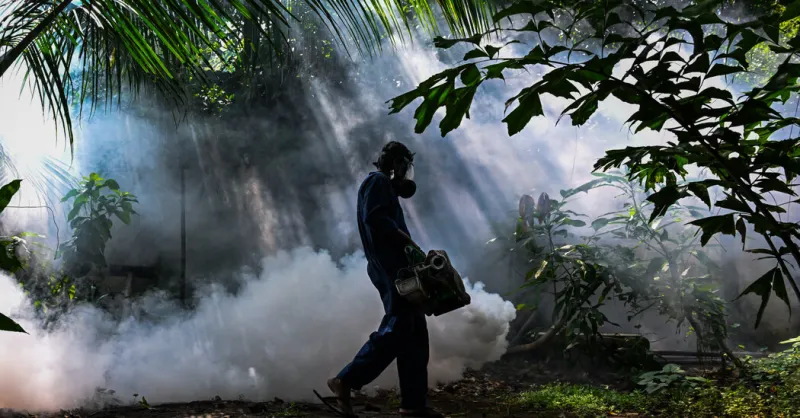
Sri Lanka is using military drones to combat one of its worst dengue fever outbreaks in recent years. The drones scan rooftops and other hard-to-reach areas to identify mosquito breeding grounds, which are then eliminated by ground teams.
According to the Sri Lankan health ministry, over 30,000 dengue cases and 20 deaths have been reported in 2026 as of late June. The outbreak has been exacerbated by monsoon rains, which create stagnant water pools ideal for mosquito breeding.
The drone program, operated by the Sri Lankan Air Force, uses thermal imaging and high-resolution cameras to detect water containers, discarded tires, and other potential breeding sites. This method has proven more efficient than manual inspections, especially in densely populated urban areas.
Health officials emphasize that the drone surveillance is part of a broader strategy that includes fogging, public awareness campaigns, and community clean-up drives. The World Health Organization has supported similar drone-based vector control programs in other countries.
Dengue fever, transmitted by Aedes mosquitoes, causes severe flu-like symptoms and can be fatal if untreated. Sri Lanka has experienced periodic outbreaks, with the largest in 2017 recording over 186,000 cases.