A recent study published in Geophysical Research Letters examines how solar storms, or coronal mass ejections, might influence Earth's weather patterns. The research, conducted by scientists at the University of Reading, analyzed data from multiple solar events and their potential impacts on atmospheric circulation.
According to the study, solar storms can temporarily alter the chemistry and dynamics of the upper atmosphere, which may in turn affect weather systems in the lower atmosphere. However, the researchers caution that the effects are subtle and difficult to distinguish from natural variability.
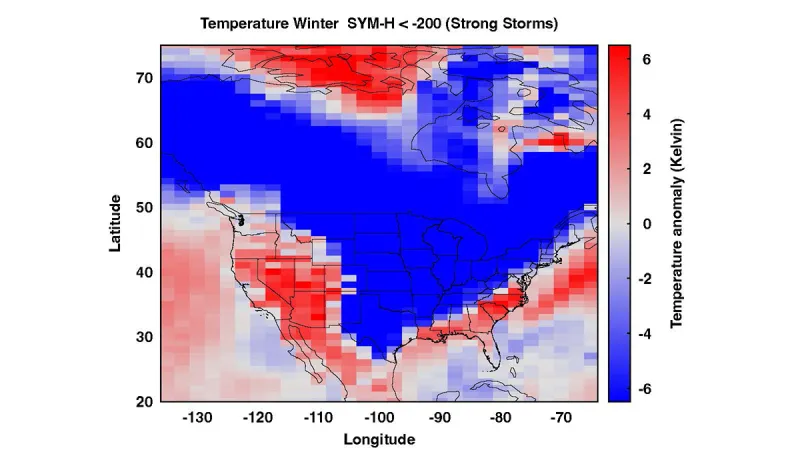
Lead author Dr. Sarah Matthews stated, 'Our findings suggest a link, but it's not a direct cause-and-effect relationship. More research is needed to understand the full extent of solar influence on weather.' The study used satellite observations and computer models to track changes in atmospheric pressure and temperature following solar events.
While solar activity has long been known to affect satellite communications and power grids, its role in weather remains a topic of ongoing scientific debate. The new study adds to a growing body of evidence that the Sun's variability can have measurable, though limited, effects on Earth's climate system.