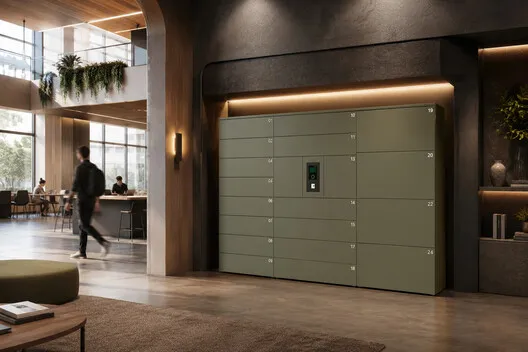
Smart lockers are emerging as a key micro-infrastructure in modern architecture, addressing the surge in e-commerce deliveries. According to a 2025 report by the Urban Land Institute, the global smart locker market is projected to grow at a compound annual growth rate of 15.2% from 2024 to 2030, driven by demand for contactless delivery solutions.
Architects are increasingly incorporating these lockers into building designs, often in lobbies or dedicated rooms, to streamline package management. A 2026 study by the Massachusetts Institute of Technology found that buildings with integrated smart lockers reduce delivery-related traffic by up to 30% in dense urban areas.
Companies like Amazon and UPS have expanded their smart locker networks, with Amazon reporting over 10,000 Hub locations worldwide as of early 2026. These systems use encrypted codes or mobile apps for secure access, minimizing theft and missed deliveries.
Urban planners note that smart lockers also support sustainability goals by consolidating deliveries, cutting carbon emissions from last-mile logistics. The Council on Tall Buildings and Urban Habitat highlighted in a 2025 report that 40% of new commercial high-rises in North America now include smart locker provisions.