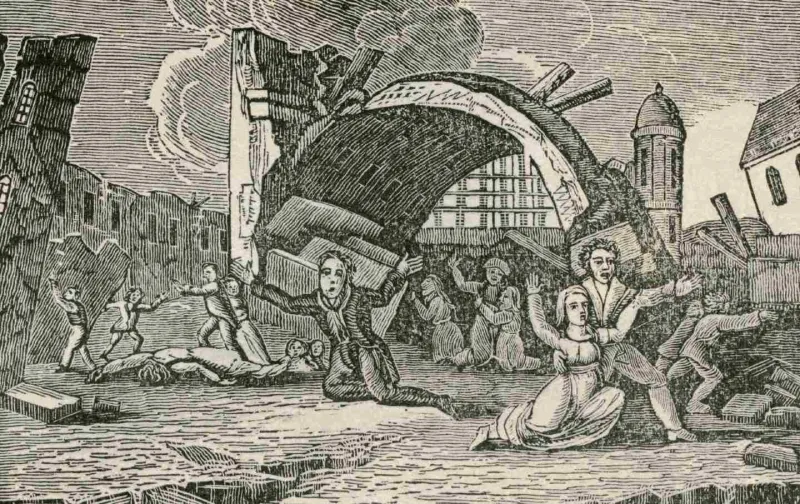
On March 26, 1812, a devastating earthquake struck Caracas, Venezuela, killing an estimated 15,000 to 20,000 people. The disaster occurred during the Venezuelan War of Independence, as Simón Bolívar was leading the fight against Spanish colonial rule.
The earthquake, which also affected other cities like La Guaira and Mérida, was interpreted by Spanish royalists as divine punishment for the rebellion. Bolívar, however, famously rallied his troops with the declaration: 'If nature opposes us, we will fight against her and make her obey.'
This event marked a critical moment in Bolívar's campaign. The destruction and subsequent loss of morale contributed to the fall of the First Republic of Venezuela later that year. Bolívar was forced into exile, but he returned in 1813 to launch his 'Admirable Campaign,' eventually liberating much of South America.
Historians note that the earthquake did not stop Bolívar but rather hardened his resolve. It remains a key example of how natural disasters can intersect with political upheaval.