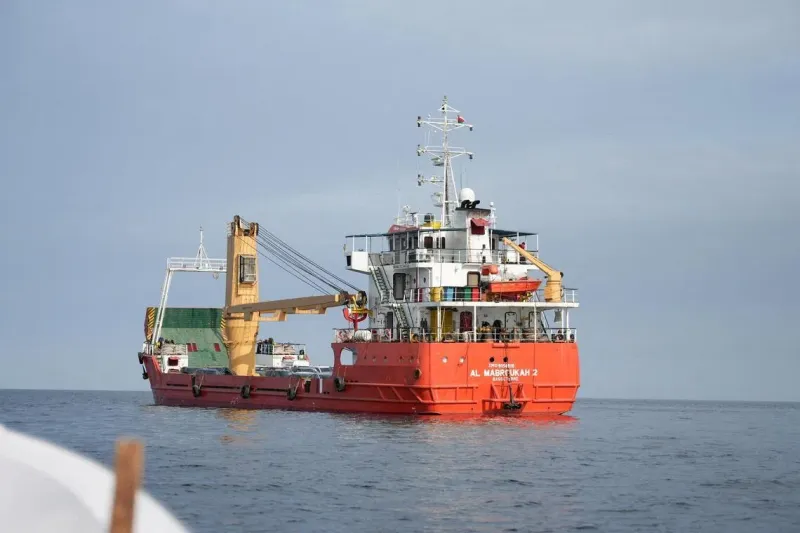
Maritime traffic through the critical Strait of Hormuz remains severely disrupted and subject to high risk, despite an announcement from Iranian authorities claiming the waterway was open. On the evening of April 17, 2026, a group of commercial vessels attempted to exit the Persian Gulf but turned back, according to ship tracking data analyzed by maritime security firms.
The attempted transit followed statements from Iran's Ports and Maritime Organization, which had announced the strait was open for navigation and that it would ensure the safety of ships. However, major shipping companies and insurers have expressed deep skepticism, citing the ongoing regional tensions and recent military incidents that have made the area a high-risk zone.
The Strait of Hormuz is a chokepoint for about a fifth of the world's seaborne oil exports. Its closure or sustained disruption would have significant impacts on global energy markets and supply chains. The current situation reflects a climate of extreme caution, with ship owners seeking concrete security guarantees before committing their vessels and crews to the passage.
International naval forces continue to patrol the area, and security advisories from multiple governments still warn of a credible threat to merchant shipping from regional actors. The failed transit attempt underscores the gap between political statements and the operational reality on the water, where safety cannot be assured.