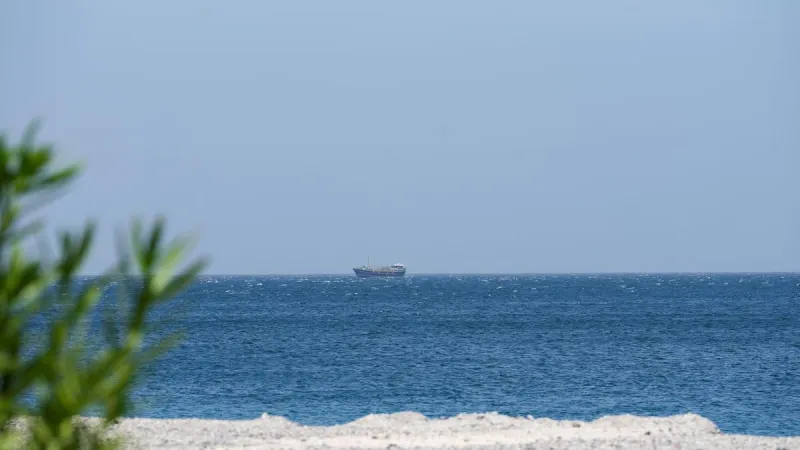
Following the implementation of a ceasefire in regional conflicts, maritime traffic has resumed through the critical Strait of Hormuz. Energy analysts have reported the initial movement of vessels through the chokepoint, which handles about one-fifth of the world's oil supply.
While specific, real-time data on vessel identities remains difficult to verify independently, the resumption of traffic is a key development for global shipping and energy markets. The strait is a vital passage for oil exports from the Persian Gulf, and its security directly impacts international trade routes.
Iran maintains a significant military presence along the strait and has historically exercised control over the waterway. The recent ceasefire has eased immediate tensions, but the long-term security situation for commercial shipping in the region remains a primary concern for international shippers and insurers.