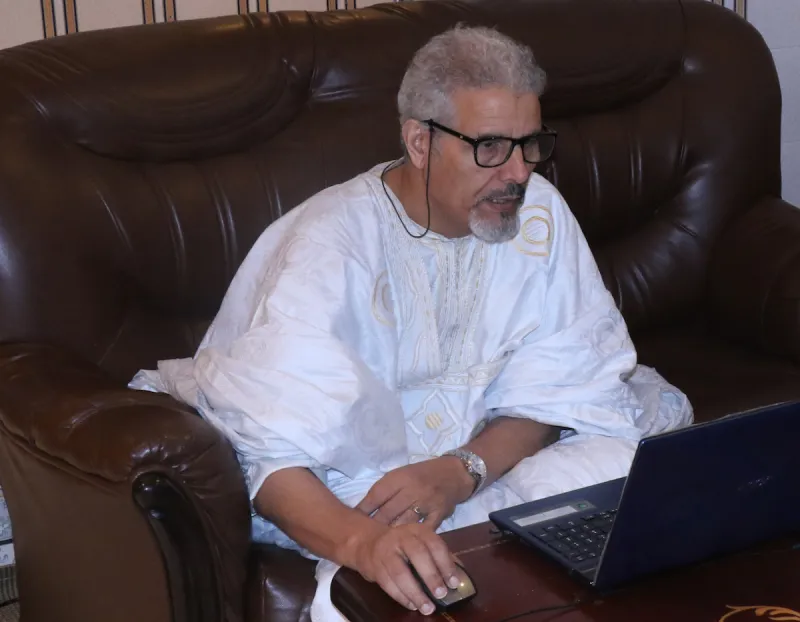
Mahjoub Salek, a prominent Sahrawi voice and commentator, has stated in a recent interview that Morocco does not genuinely encourage Sahrawi refugees living in the Tindouf camps in Algeria to return to the territory of Western Sahara. His remarks, part of a series of interviews, highlight ongoing tensions surrounding the decades-long conflict over Western Sahara.
The Western Sahara dispute remains one of Africa's longest-running territorial conflicts. Morocco controls approximately 80% of the territory and considers it part of its sovereign territory under an autonomy plan it has proposed since 2007. The Polisario Front, backed by Algeria, seeks an independent state for the Sahrawi people and administers refugee camps near Tindouf, Algeria, where an estimated 100,000 to 170,000 Sahrawi refugees have lived for decades.
Salek's comments reflect a broader debate about the conditions under which Sahrawi refugees might return. Critics of Morocco's position argue that without credible guarantees of political rights, freedom of expression, and self-determination, meaningful return remains unlikely. Human rights organizations have documented restrictions on political dissent in Moroccan-administered Western Sahara.
The United Nations continues to oversee MINURSO, its mission in Western Sahara, which was originally mandated to organize a self-determination referendum — a vote that has never taken place. UN-led negotiations between Morocco and the Polisario Front have stalled repeatedly over the years, with no resolution in sight as of early 2026.