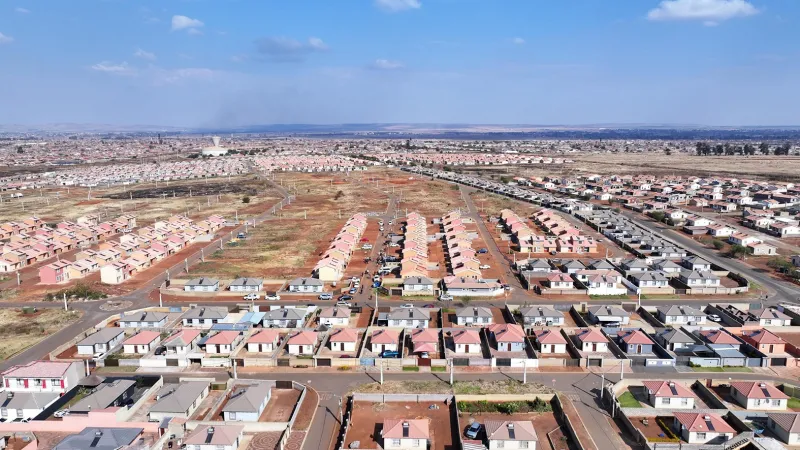
Across several African cities, rent-to-own housing models are being adopted to address the growing demand for affordable homeownership. These programs allow tenants to pay monthly installments that contribute toward eventual ownership, rather than simply covering rent.
In Kenya, the government's Affordable Housing Program includes a rent-to-own component, where beneficiaries pay a deposit and monthly contributions over a set period before gaining full ownership. Similarly, in Nigeria, private developers like Mixta Africa have launched rent-to-own schemes in Lagos and Abuja, targeting middle-income earners.
South Africa's Social Housing Regulatory Authority supports rent-to-own initiatives through its institutional housing subsidies, enabling low-income households to transition from renting to owning. In Ghana, the State Housing Company has introduced a rent-to-own policy for its new developments in Accra and Kumasi.
These models are seen as a response to high interest rates and strict mortgage requirements that exclude many potential buyers. However, challenges remain, including affordability of monthly payments and the risk of default for low-income participants.