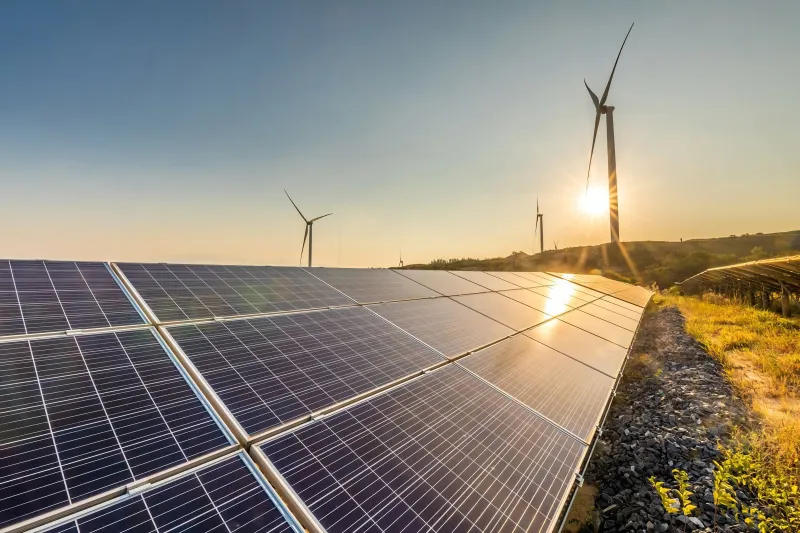
Global investment in clean energy manufacturing, particularly for solar panels, batteries, and electrolyzers, has surged, reaching approximately $200 billion in 2024 according to the International Energy Agency (IEA). This represents a 70% increase from the previous year, signaling a major shift in industrial policy and capital allocation towards the energy transition.
This investment boom is fundamentally reshaping global industrial competitiveness and supply chains. Major economies, including the United States, China, and the European Union, are implementing substantial industrial policies and subsidies, such as the U.S. Inflation Reduction Act, to secure their positions in the clean technology value chain. The competition is creating new industrial hubs while challenging existing trade dynamics.
The rapid scale-up is driving down technology costs and accelerating deployment. The IEA reports that announced manufacturing projects for solar PV modules could meet global demand by 2030, and battery manufacturing capacity is on track to be more than sufficient. However, challenges remain, including potential supply chain bottlenecks for critical minerals and the need for continued innovation and workforce development.
For nations, success in this new industrial paradigm hinges on integrating renewable energy into their economic strategies to lower energy costs, enhance energy security, and create high-value manufacturing jobs. The transition presents both a significant economic opportunity and a strategic imperative in the global race for technological leadership.