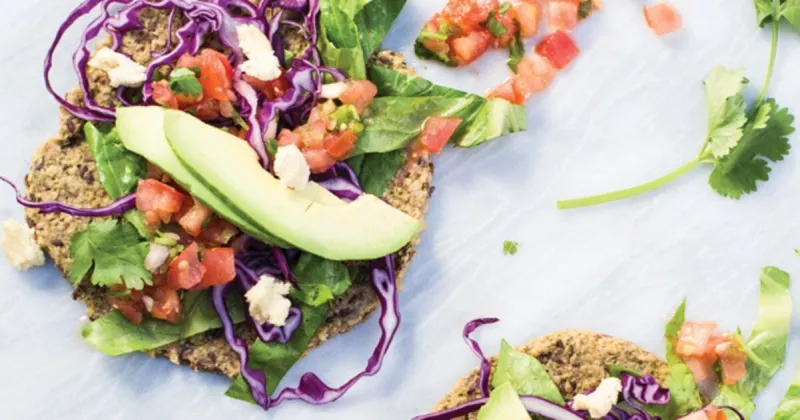
Raw vegan tostadas are a dish that replaces traditional fried tortillas and cooked toppings with fresh, uncooked ingredients. The base is often a dehydrated or simply fresh corn tortilla, topped with a variety of chopped vegetables, sprouted legumes, nut-based cheeses, and guacamole. Proponents highlight that avoiding cooking preserves natural enzymes and heat-sensitive vitamins like vitamin C.
Nutrition experts note that while a raw vegan diet can be high in fiber, vitamins, and antioxidants, it requires careful planning to avoid deficiencies in nutrients like vitamin B12, iron, calcium, and omega-3 fatty acids, which are more bioavailable from cooked or animal-based sources. Registered dietitians often recommend that those following a raw food diet consider appropriate supplementation.
To prepare raw tostadas, common ingredients include bell peppers, tomatoes, onions, cilantro, avocado, and a "meat" made from walnuts or sunflower seeds seasoned with spices like cumin and chili powder. The tortillas can be made from blended corn and peppers, then dehydrated at a low temperature to maintain their raw status. This cooking style aligns with broader raw food movements emphasizing whole, plant-based ingredients.