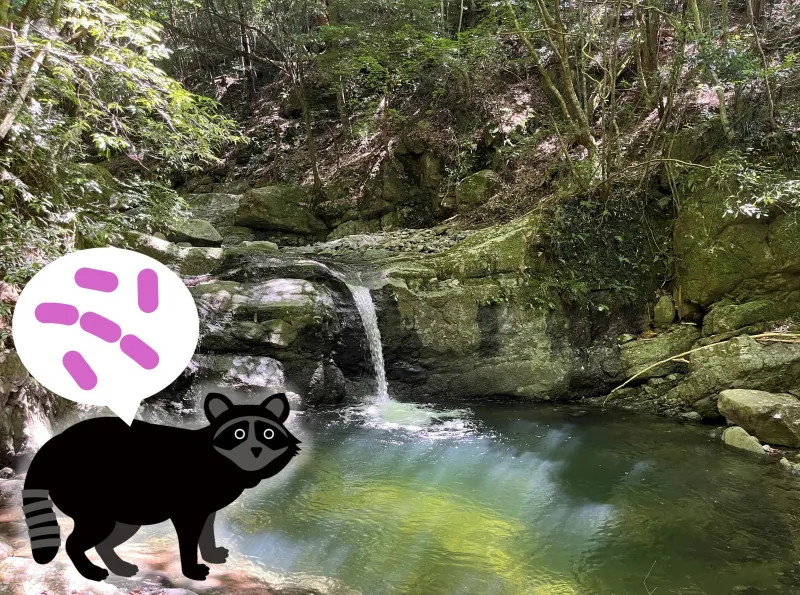
A new study from Osaka Metropolitan University (OMU) has identified raccoons as carriers of the emerging infectious bacterium Escherichia albertii, which can cause severe food poisoning in humans through contaminated water and food, such as salad ingredients.
The research, published in the journal Emerging Microbes & Infections on June 11, 2026, analyzed fecal samples from raccoons in Osaka, Japan. The team found that the bacteria were genetically similar to strains that have caused outbreaks in humans, suggesting a possible route of spillover from wildlife to people.
According to the study, E. albertii has been responsible for several outbreaks of gastroenteritis in Japan and other countries, often linked to contaminated water or produce. The new findings highlight the role of raccoons as a potential reservoir, which could help in monitoring and preventing future outbreaks.
Lead researcher Dr. Tetsuya Hayashi from OMU stated, 'Our results indicate that raccoons may serve as a source of E. albertii contamination in the environment, posing a risk to public health.' The team recommends enhanced surveillance of wildlife and water sources to mitigate the risk of human infection.