A research consortium has established a new framework to identify and catalog senescent cells—cells that stop dividing but remain active in the body. Because senescent cells accumulate with age and are thought to contribute to many age-related conditions, this atlas could help inform future therapies.
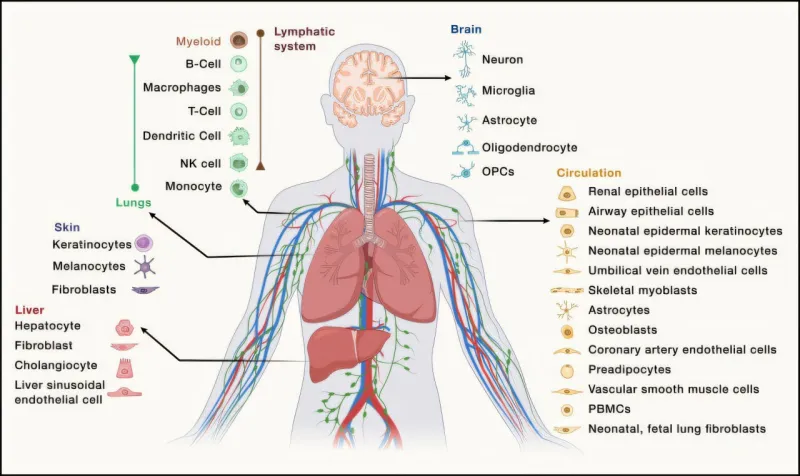
The study, published in the journal Cell on June 10, 2026, involved scientists from the Buck Institute for Research on Aging and other institutions. They analyzed data from multiple tissues to create a comprehensive map of senescent cell markers.
Senescent cells secrete inflammatory factors that can damage surrounding tissues, contributing to diseases like arthritis, cardiovascular disease, and neurodegeneration. The new atlas identifies specific markers that distinguish senescent cells from normal cells, which could enable targeted therapies to remove them.
Dr. Judith Campisi, a senior author on the study, stated: 'This atlas provides a critical resource for understanding how senescent cells drive aging and disease.' The team plans to expand the atlas to include more tissue types and conditions.