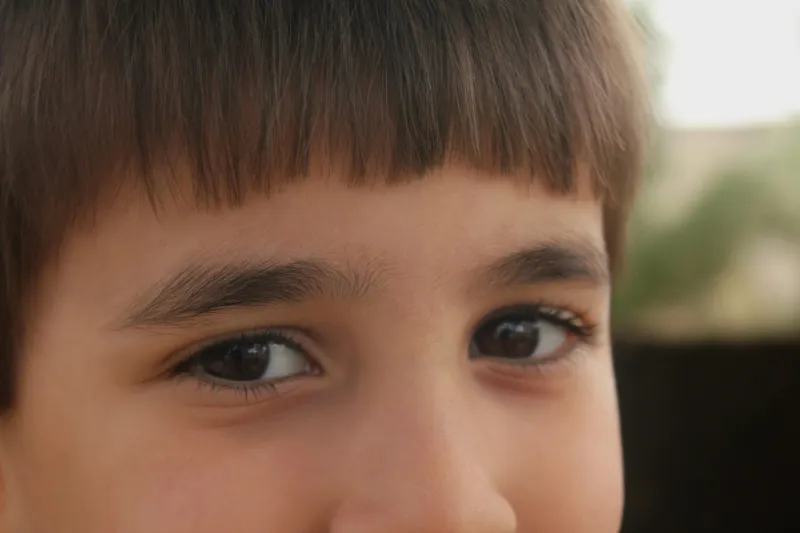
A clinical trial published in The BMJ on June 12, 2026, found that low-concentration atropine eye drops are a safe and effective treatment for myopia (short-sightedness) in UK children, though the effects are small. The study, led by researchers at Queen's University Belfast and the University of Bristol, involved 289 children aged 6 to 12 from four UK hospitals.
Children received either 0.01% atropine drops or a placebo daily for two years. The atropine group showed a 0.12 mm less increase in axial length (the eye's length) and a 0.19 diopter less progression in myopia compared to the placebo group. These differences were statistically significant but modest in magnitude.
No serious adverse events were reported, and side effects such as light sensitivity and blurred near vision were mild and transient. The researchers emphasized that the drops should be used as part of a comprehensive myopia management plan, including time outdoors and reduced screen time.
Myopia is a growing global concern, with projections that half the world's population may be affected by 2050. The study provides evidence for a safe, low-cost intervention that could be widely implemented in clinical practice.