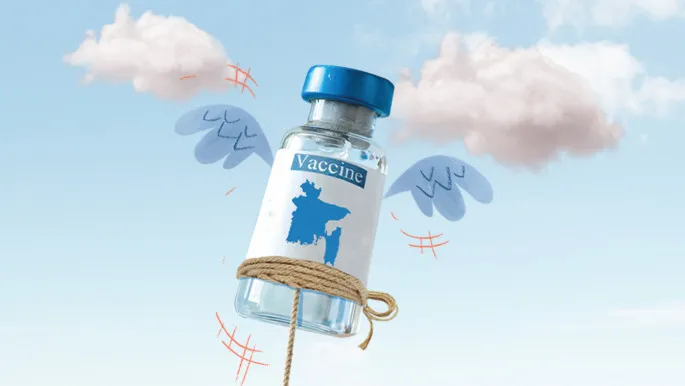
Disruptions in the Expanded Programme on Immunization (EPI) have extended beyond measles to now include a rabies vaccine crisis, according to recent reports. The shortage threatens millions in regions where rabies remains endemic, particularly in parts of Asia and Africa.
Rabies, which is nearly 100% fatal once symptoms appear, requires timely post-exposure prophylaxis (PEP) with vaccines. The current shortage has led to rationing in some areas, with health workers prioritizing severe cases. The World Health Organization (WHO) has warned that without urgent action, rabies deaths could rise significantly.
The crisis stems from manufacturing delays and supply chain issues, exacerbated by the diversion of resources to other health emergencies. Countries like India and the Philippines have reported stockouts, forcing clinics to turn away patients. The Global Alliance for Vaccines and Immunization (GAVI) is working to secure alternative supplies.
Efforts are underway to boost production, but experts say it may take months to stabilize the supply. In the meantime, public health campaigns are emphasizing dog vaccination and bite prevention to reduce the burden.