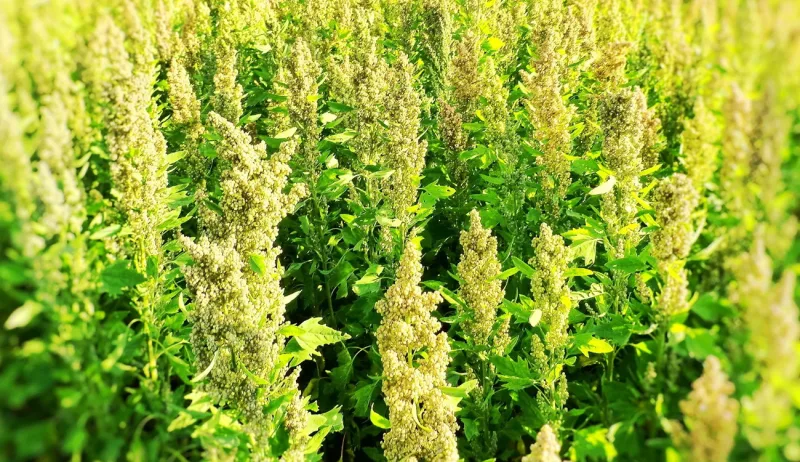
Quinoa, a pseudocereal native to the Andean region, is often highlighted for its nutritional value and tolerance to harsh conditions like drought and saline soils. This has led to research and pilot projects exploring its cultivation in arid and semi-arid regions outside South America, from the Middle East to parts of Africa and the United States.
However, the expansion of quinoa farming into drylands is not without significant challenges. A 2023 study published in *Nature Food* cautioned that while quinoa is agronomically resilient, its economic viability for smallholder farmers in new regions is often limited by high production costs, lack of adapted processing infrastructure, and volatile global market prices dominated by major producers like Peru and Bolivia.
Furthermore, environmental concerns have emerged. In some areas where quinoa cultivation has expanded, such as the Moroccan Sahara, reports indicate it can be water-intensive under irrigation, potentially straining scarce water resources. There is also debate about whether its introduction could disrupt local ecosystems or traditional cropping systems.
Experts argue that for quinoa to be a sustainable crop for arid regions, it requires context-specific approaches. This includes developing locally adapted seed varieties, implementing efficient water management like drip irrigation, and building fair supply chains that ensure profitability for farmers without encouraging monocultures that could degrade marginal soils.