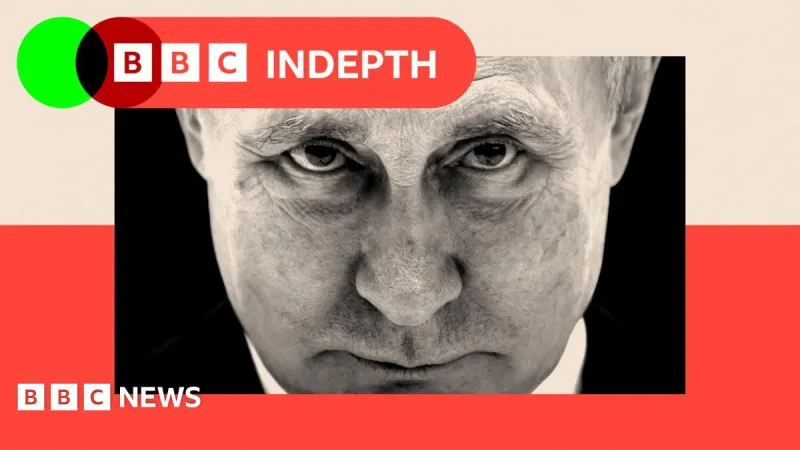
Throughout his time as Russian President, Vladimir Putin has been alert to the power of visual imagery. The first time I interviewed him in 2001, an aide swooped in just before the cameras went live and snatched away the small water glasses on the table. The aide explained that the glasses would 'look bad' on camera. This attention to detail has been a hallmark of Putin's approach to public relations.
Putin's image has evolved over the years. Early in his presidency, he was often photographed in formal settings, emphasizing his role as a statesman. Later, he adopted more rugged, masculine imagery, such as the famous 2007 photo of him fishing shirtless in Siberia, or the 2010 photo of him riding a horse bare-chested. These images were widely circulated and helped craft a persona of strength and vitality.
However, the reality behind these images is often more mundane. For instance, the horse-riding photo was staged with a specially trained horse and a team of handlers. Similarly, his 2011 dive to retrieve ancient Greek artifacts was criticized by archaeologists as a publicity stunt that damaged the site. These incidents highlight the gap between the carefully crafted image and the actual events.
In recent years, Putin's image management has become even more sophisticated. During the COVID-19 pandemic, he was shown visiting a hospital in a hazmat suit, an image that was later revealed to be staged. The hospital staff had been told to wear protective gear even though the patient was not infected. This pattern of staged imagery has led to a growing skepticism among the Russian public and international observers.
Despite these controversies, Putin's image remains a powerful tool in his political arsenal. His approval ratings, while fluctuating, have generally remained high, partly due to this carefully managed public persona. However, the gap between image and reality continues to be a subject of debate and analysis.