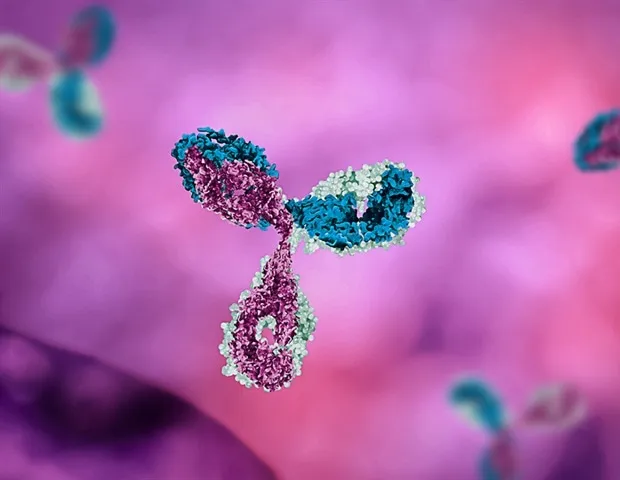
Researchers have discovered human antibodies that can neutralize the West Nile virus (WNV), a mosquito-borne pathogen that can cause severe neurological disease and death. The study, published in the journal Nature Communications on June 22, 2026, was led by scientists at the University of Texas Medical Branch (UTMB) in Galveston.
The team isolated antibodies from the blood of a patient who had recovered from West Nile virus infection. These antibodies target a specific protein on the virus's surface, preventing it from entering human cells. In laboratory tests and animal models, the antibodies showed strong neutralizing activity against multiple strains of WNV.
West Nile virus is endemic in many parts of the world, including the United States, Europe, and Africa. There is currently no specific antiviral treatment or approved human vaccine for WNV. The virus can cause West Nile fever and, in severe cases, encephalitis or meningitis, particularly in older adults and immunocompromised individuals.
The researchers plan to advance the antibodies into clinical trials. If successful, this could lead to the first targeted therapy for West Nile virus, potentially reducing the severity of disease and preventing deaths. The study was funded by the National Institutes of Health (NIH).