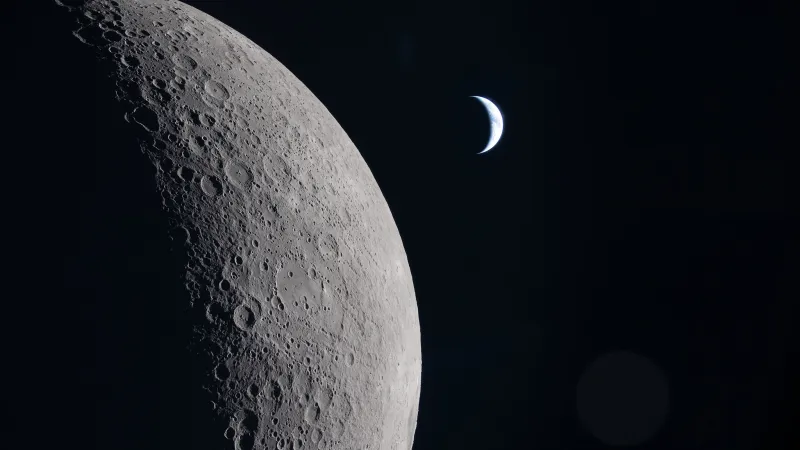
As NASA advances plans for a permanent Moon base, a new policy paper suggests the Moon could serve as a critical line of biological defense. Two researchers argue that a lunar biocontainment facility is necessary to quarantine extraterrestrial materials and protect Earth's ecosystems from potential contamination.
The paper, published in the journal Space Policy, highlights the need for a dedicated facility on the Moon to handle samples from Mars and other celestial bodies. The authors emphasize that such a facility would mitigate risks of back contamination, where extraterrestrial organisms could harm Earth's biosphere.
NASA's Artemis program aims to establish a sustainable human presence on the Moon by the late 2020s, with the Lunar Gateway orbital outpost and surface habitats. The proposed quarantine facility would be part of this infrastructure, ensuring that any samples returned to Earth are thoroughly analyzed and sterilized.
The researchers call for international collaboration to develop standards and protocols for lunar biocontainment, similar to those used for high-containment labs on Earth. They note that the Moon's low gravity and isolation make it an ideal location for such a facility.